

The Ultimate Business Case for Colocation vs. Building Your Own Data Center
In today’s digital landscape, organizations are increasingly reliant on data to drive business decisions, improve operational efficiency, and enhance customer experiences. As a result, the choice between colocation and building an in-house data center has become a critical consideration for businesses of all sizes. This article delves into the business case for colocation versus building your own data center, illuminating the benefits, challenges, and strategic implications of each option.
Whether you are a startup in Alpharetta looking to scale your operations or an established enterprise seeking to optimize your IT infrastructure, understanding the nuances of these two approaches is essential. We will explore cost factors, scalability, security, and more to help you make an informed decision that aligns with your business goals.
1. Understanding Data Centers
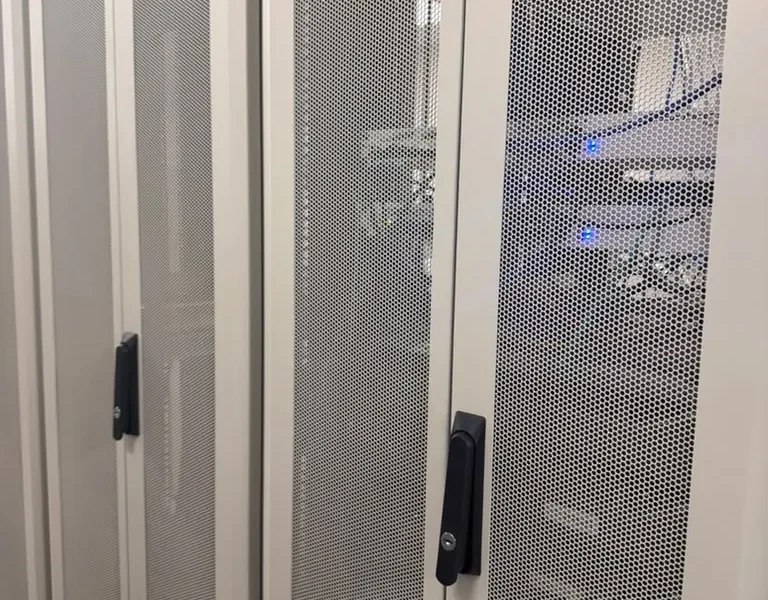
A data center is a facility used to house computer systems and associated components, such as telecommunications and storage systems. Data centers are crucial for businesses as they provide the infrastructure needed to store, manage, and disseminate data. The demand for data centers has surged due to the rise of cloud computing, big data, and the Internet of Things (IoT). According to a report by Statista, the global data center market is projected to grow significantly, reaching over $200 billion by 2026.
2. What is Colocation?
Colocation refers to the practice of housing privately-owned servers and networking equipment in a third-party data center. Businesses can rent space for their servers in a colocation facility, which typically offers robust infrastructure, including power, cooling, and security. This option allows organizations to leverage high-quality data center resources without the capital expense and operational burden of building and maintaining their own facility. Colocation providers like World Park offer enterprise-grade technology infrastructure, making it an attractive option for startups and established businesses alike.
Benefits of Colocation
- Cost Efficiency: Lower upfront costs compared to building a data center.
- Scalability: Easily scale your infrastructure as your business grows.
- Expert Support: Access to specialized staff and technical support.
- Enhanced Security: Advanced security measures provided by the colocation facility.
3. Building Your Own Data Center
Building your own data center involves designing, constructing, and managing a facility that houses your organization’s IT infrastructure. This option provides complete control over the environment and resources but comes with significant costs and responsibilities. Organizations that choose to build their data centers must consider factors such as location, design, energy efficiency, and ongoing maintenance.
Advantages of Building Your Own Data Center
- Full Control: Complete oversight of infrastructure and security.
- Customization: Tailor the facility to meet specific operational needs.
- Long-Term Investment: Potential for long-term savings and asset appreciation.
4. Cost Analysis: Colocation vs. Building
When evaluating the financial implications of colocation versus building your own data center, it is essential to consider both upfront and ongoing costs. Below is a comparative analysis that highlights the key cost factors associated with each option.
| Cost Factor | Colocation | Building Your Own Data Center |
|---|---|---|
| Initial Setup Costs | Lower (rental fees) | Higher (construction, equipment) |
| Operational Costs | Included in fees | Maintenance, utilities, staffing |
| Scalability Costs | Flexible pricing | High capital investment |
| Security Costs | Included | Additional expenses |
As illustrated, colocation typically involves lower initial costs and predictable ongoing expenses, making it a more attractive option for businesses, especially startups looking to manage their budgets effectively.
5. Scalability and Flexibility
Scalability is a crucial factor for businesses anticipating growth. Colocation facilities offer the ability to scale resources up or down based on demand. This flexibility allows companies to avoid over-investing in infrastructure while still accommodating future growth. In contrast, building your own data center can lead to underutilization of resources or, conversely, the need for costly expansions.
6. Security Considerations
Data security is paramount for organizations. Colocation providers invest heavily in advanced security measures, including surveillance, access control, and environmental protections. Additionally, they often have compliance certifications that meet industry standards. In-house data centers, while customizable, may require significant investment to achieve similar levels of security, which can be a daunting task for smaller organizations.
7. Operational Efficiency
Operational efficiency can significantly impact a business’s bottom line. Colocation facilities provide access to high-performance infrastructure and technical support, enabling organizations to focus on their core business rather than IT management. This contrasts with building a data center, where maintaining optimal operations requires ongoing attention and resources.
8. Conclusion
In conclusion, the decision between colocation and building your own data center hinges on various factors, including cost, scalability, security, and operational efficiency. For many businesses, particularly startups and growing companies in Alpharetta, colocation presents a compelling case due to its lower financial barriers and enhanced flexibility. World Park offers a premier colocation service, providing the essential infrastructure that empowers businesses to thrive in a competitive landscape.
Ultimately, understanding your organization’s unique needs and future growth plans will guide you toward the best decision for your data management strategy. Whether you choose colocation or building your own data center, the right choice will help you harness the full potential of your data-driven initiatives.
9. FAQs
What is colocation in data centers?
Colocation is the practice of placing servers and networking equipment in a third-party data center, allowing businesses to utilize shared infrastructure.
What are the benefits of colocation?
Colocation offers cost efficiency, scalability, expert support, and enhanced security compared to building your own data center.
How much does it cost to build a data center?
The cost of building a data center can vary significantly based on location, size, and infrastructure requirements, often ranging from hundreds of thousands to millions of dollars.
Is colocation more secure than an in-house data center?
Colocation facilities typically have advanced security measures and compliance certifications, making them more secure than many in-house data centers.
Can I scale my resources in a colocation facility?
Yes, colocation facilities allow businesses to scale resources up or down based on demand, providing flexibility as your business grows.
What are the operational costs of a data center?
Operational costs include maintenance, utilities, staffing, and security, which can add up significantly for in-house data centers.
What industries benefit from colocation services?
Colocation services are beneficial for various industries, including technology, finance, healthcare, and any sector that requires reliable data management.
How do I choose between colocation and building my own data center?
Consider factors such as cost, scalability, security, and operational efficiency to determine which option aligns best with your business goals.
