

How to Choose the Right Cloud Region for Your Business in the Southeast
Choosing the right cloud region for your business is a critical decision that can significantly influence your operational efficiency, data security, and overall success. In the Southeast, where technology is rapidly evolving, understanding the nuances of cloud regions is essential for businesses looking to leverage the power of cloud computing. This article will delve into the factors you need to consider when selecting a cloud region, the advantages of various Southeast locations, and how World Park can support your cloud journey.
Understanding Cloud Regions
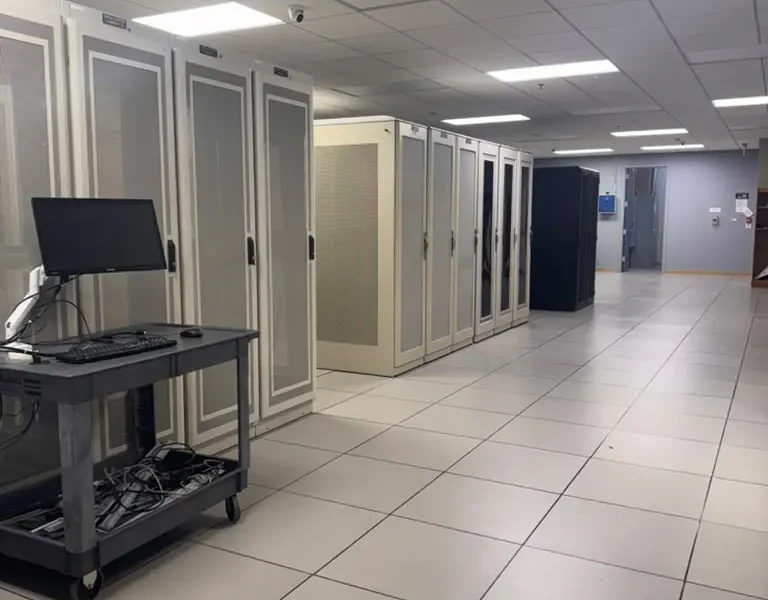
Cloud regions refer to specific geographical areas where cloud service providers operate their data centers. These regions are designed to provide redundancy, low latency, and compliance with local regulations. Understanding the geographical distribution of cloud regions is vital for businesses, especially those in the Southeast, where natural disasters and regional regulations can impact operations.
For example, major cloud providers like Amazon Web Services (AWS), Microsoft Azure, and Google Cloud Platform (GCP) have multiple regions across the U.S., including Atlanta and other Southeastern cities. Each of these regions offers unique advantages, such as proximity to customers, compliance with state regulations, and availability of specialized infrastructure.
Factors to Consider When Choosing a Cloud Region
When selecting a cloud region for your business in the Southeast, several factors should be taken into account:
- Proximity to Your Customers: Choosing a cloud region that is geographically closer to your end-users can significantly reduce latency, improving performance and user experience.
- Data Sovereignty and Compliance: Different regions may have varying laws regarding data storage and privacy. Ensure that the chosen region complies with regulations such as GDPR or HIPAA, depending on your industry.
- Disaster Recovery Capabilities: Evaluate the disaster recovery options available in different regions. Some areas may be more prone to natural disasters, affecting your data availability and business continuity plans.
- Cost Efficiency: Cloud service pricing can vary by region due to operational costs, demand, and available infrastructure. Understanding these variables can help you make a cost-effective decision.
- Scalability and Flexibility: Ensure that the cloud region you choose can scale with your business needs, providing the necessary resources as you grow.
Top Cloud Regions in the Southeast
The Southeast offers several cloud regions that cater to various business needs. Here are some of the top options:
| Cloud Provider | Region | Key Features |
|---|---|---|
| AWS | U.S. East (N. Virginia) | High availability, extensive service offerings, strong compliance options |
| Microsoft Azure | South Central U.S. (Texas) | Scalable resources, integrated services with Microsoft products, hybrid cloud capabilities |
| Google Cloud | South Carolina | Focus on machine learning and big data, competitive pricing |
These regions each have unique strengths, making it crucial to choose the one that aligns best with your business objectives.
Data Security and Compliance Considerations
Data security is paramount when selecting a cloud region. Each cloud provider has its own security protocols and compliance certifications. For instance, AWS and Azure offer compliance with ISO 27001, PCI-DSS, and HIPAA, ensuring that businesses can meet regulatory requirements.
Additionally, consider the following:
- Encryption: Ensure that data is encrypted in transit and at rest.
- Access Controls: Evaluate the authentication and access control measures in place to protect sensitive data.
- Incident Response: Understand how your cloud provider handles security incidents and what measures are in place for data breach notifications.
Cost Considerations
Cost is often a deciding factor when selecting a cloud region. Pricing can vary based on a variety of factors, including:
- Location: Some regions may have lower operational costs, leading to reduced prices for cloud services.
- Resource Availability: Evaluate the availability of resources in the chosen region and how that impacts pricing.
- Data Transfer Costs: Consider the costs associated with data transfer in and out of the cloud.
Utilizing cost calculators from cloud providers can help you estimate potential expenses based on your expected usage. For example, AWS offers an AWS Pricing Calculator to help businesses forecast their cloud spending.
The Role of Infrastructure in Cloud Region Selection
Infrastructure plays a crucial role in the performance and reliability of cloud services. Factors such as network latency, bandwidth, and the availability of advanced technologies like AI and machine learning can influence your choice of cloud region.
In the Southeast, regions with robust infrastructure can offer better connectivity and improved service delivery. For instance, World Park’s modern campus in Alpharetta provides enterprise-grade technology infrastructure, making it an ideal location for startups and tech-driven businesses.
Expert Tips for Choosing the Right Cloud Region
Here are some actionable tips to help you choose the right cloud region for your business:
- Conduct a thorough analysis of your customer base and their geographic locations to determine the best cloud region.
- Engage with cloud providers to understand their offerings and how they align with your business goals.
- Consider hybrid and multi-cloud strategies to enhance flexibility and resilience.
- Regularly review your cloud strategy to ensure it continues to meet your evolving business needs.
Frequently Asked Questions
1. What is a cloud region?
A cloud region is a geographical area where a cloud service provider has data centers that deliver services to users.
2. How do I choose the right cloud region for my business?
Consider factors such as proximity to customers, compliance requirements, disaster recovery options, and cost efficiency.
3. What are the benefits of choosing a nearby cloud region?
Choosing a nearby cloud region reduces latency and improves performance for your end-users.
4. How do data security and compliance impact cloud region selection?
Different regions have varying regulations regarding data storage and privacy, which can affect your compliance obligations.
5. Are there cost differences between cloud regions?
Yes, cloud service pricing can vary significantly depending on the region due to operational costs and demand.
6. What role does infrastructure play in cloud region selection?
Robust infrastructure in a region can improve service delivery and connectivity, impacting overall performance.
7. Can I use multiple cloud regions for my business?
Yes, many businesses adopt hybrid and multi-cloud strategies to enhance flexibility and resilience.
8. What should I consider for disaster recovery in cloud regions?
Evaluate the disaster recovery options available in different regions and consider their proximity to potential risks.
Conclusion
Choosing the right cloud region for your business in the Southeast requires careful consideration of various factors, including proximity to customers, data security, compliance, and cost. By leveraging these insights and the resources available at World Park, you can make an informed decision that supports your business’s growth and innovation.