

Understanding Cloud SLAs: What Uptime Guarantees Mean for Your Business
In an era where businesses rely heavily on cloud computing, understanding Cloud Service Level Agreements (SLAs) is essential for ensuring operational efficiency and minimizing downtime. Cloud SLAs define the expected service quality and availability, making them critical for any organization leveraging cloud solutions. This article delves into the intricacies of Cloud SLAs, focusing on what uptime guarantees truly mean for your business. We will explore the importance of SLAs, break down the key components, and provide actionable insights for choosing the right cloud provider.
What Is a Cloud SLA?
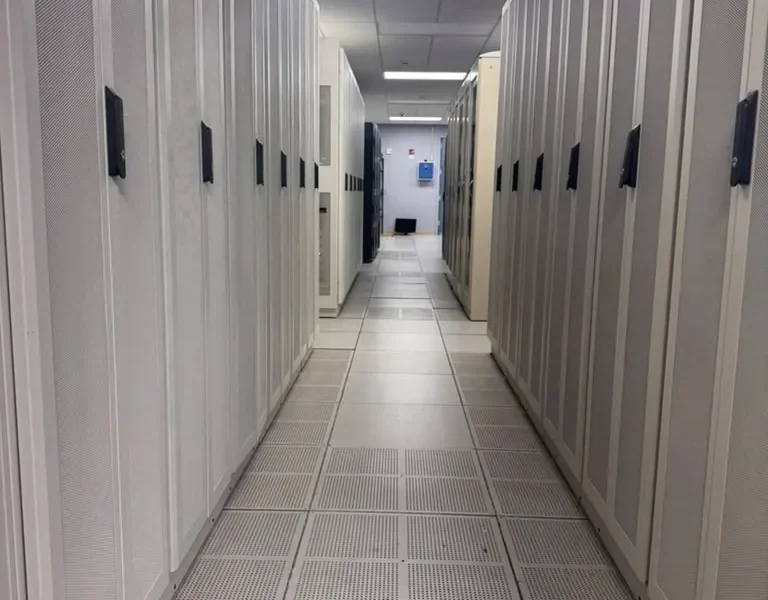
A Cloud Service Level Agreement (SLA) is a formal document that outlines the expected level of service between a cloud service provider (CSP) and its customers. It serves as a contract that defines the specific services offered, performance metrics, and the responsibilities of each party. In essence, a cloud SLA is a critical tool that ensures transparency and accountability in cloud service delivery.
Cloud SLAs typically cover various aspects, including availability, performance, response times, and support services. By clearly defining these parameters, businesses can make informed decisions when selecting cloud solutions that align with their operational needs.
Importance of Cloud SLAs
Understanding the importance of Cloud SLAs is crucial for any organization that depends on cloud services. Here are some key reasons why SLAs matter:
- Risk Mitigation: By having a clear SLA, businesses can mitigate risks associated with service interruptions and downtime. This is particularly important for companies that rely on cloud services for critical operations.
- Accountability: SLAs provide a framework for accountability, ensuring that the cloud provider adheres to the agreed-upon service levels. If service levels are not met, businesses have recourse to seek remediation.
- Performance Measurement: SLAs allow organizations to measure the performance of their cloud services against established benchmarks. This helps in evaluating the effectiveness of the cloud provider.
- Compliance and Security: Many industries have specific compliance requirements. SLAs can help ensure that cloud providers meet these regulations, thereby safeguarding sensitive data.
Key Components of Cloud SLAs
When reviewing Cloud SLAs, businesses should focus on several key components:
- Service Description: This section outlines the specific services provided, including features and functionalities.
- Performance Metrics: Common metrics include uptime guarantees, response times, and throughput rates. Understanding these metrics helps businesses assess whether the provider can meet their needs.
- Support Services: The SLA should specify the level of support offered, including availability of technical support, response times for issues, and escalation procedures.
- Penalties and Remedies: This section outlines the penalties for non-compliance with the agreed-upon service levels, such as service credits or refunds.
- Termination Clauses: Businesses should be aware of the conditions under which they can terminate the SLA and the implications of doing so.
Understanding Uptime Guarantees
Uptime guarantees are perhaps the most critical aspect of Cloud SLAs. They indicate the percentage of time that a service is expected to be operational and available to users. Common uptime percentages include:
| Uptime Percentage | Downtime per Year |
|---|---|
| 99.9% (Three Nines) | 8.76 hours |
| 99.99% (Four Nines) | 52.56 minutes |
| 99.999% (Five Nines) | 5.26 minutes |
| 99.9999% (Six Nines) | 0.526 minutes |
While a higher percentage may seem better, it’s essential to understand what these numbers mean in practical terms. For instance, a provider that guarantees 99.99% uptime is still allowing for a small amount of downtime, which can be crucial for businesses that rely on continuous availability.
What Uptime Guarantees Mean for Your Business
For businesses, uptime guarantees translate directly into operational reliability. Here’s how uptime impacts various aspects of your organization:
- Customer Satisfaction: Downtime can lead to poor customer experiences, resulting in lost revenue and damage to brand reputation. A reliable uptime guarantee can enhance customer trust and satisfaction.
- Financial Implications: The cost of downtime can be staggering. According to a report by the IBM Cloud, the average cost of downtime is approximately $5,600 per minute. This figure can vary significantly based on industry and operational scale.
- Operational Efficiency: Reliable uptime ensures that employees can access necessary tools and resources without interruption, leading to greater productivity and operational efficiency.
- Competitive Advantage: Businesses that can guarantee high availability can differentiate themselves in a competitive market, attracting more customers and retaining existing ones.
How to Choose the Right Cloud Provider
Selecting the right cloud provider is a critical decision that can have long-lasting implications for your business. Here are some steps to consider:
- Assess Your Needs: Determine your business requirements, including the level of uptime you need, the types of services required, and your budget.
- Evaluate SLAs: Review the SLAs of potential providers carefully. Look for clear uptime guarantees, performance metrics, and penalties for non-compliance.
- Research Reputation: Investigate the provider’s reputation in the market. Look for customer reviews, testimonials, and case studies that demonstrate their reliability.
- Consider Support Services: Ensure the provider offers adequate support services, including technical assistance and a clear escalation process for issues.
- Test Services: Whenever possible, take advantage of free trials or pilot programs to test the services before making a long-term commitment.
Best Practices for Managing Cloud SLAs
Once you’ve selected a cloud provider, managing the SLA effectively is crucial for maximizing its benefits. Here are some best practices:
- Regular Monitoring: Implement tools to monitor service performance against SLA metrics. This will help you identify any potential issues early on.
- Establish Clear Communication: Maintain open lines of communication with your cloud provider. Regular updates and discussions about performance can help address concerns proactively.
- Document Everything: Keep thorough records of all interactions with the cloud provider, including any service outages and the corresponding responses.
- Review SLAs Periodically: As your business needs evolve, review and update your SLAs to ensure they continue to meet your requirements.
- Conduct Regular Audits: Periodically audit your cloud services to ensure compliance with the SLA and assess overall performance.
Frequently Asked Questions
What is a cloud SLA?
A cloud SLA is a formal agreement between a cloud service provider and its customers that outlines the expected level of service, including performance metrics and responsibilities.
Why are cloud SLAs important?
Cloud SLAs are important because they mitigate risks, establish accountability, allow for performance measurement, and ensure compliance with industry regulations.
What does uptime guarantee mean?
An uptime guarantee is a percentage that indicates the expected operational time of a service. For example, a 99.9% uptime guarantee means the service may experience up to 8.76 hours of downtime per year.
How do I choose the right cloud provider?
To choose the right cloud provider, assess your needs, evaluate SLAs, research the provider’s reputation, consider support services, and test their services if possible.
What are the consequences of downtime?
Consequences of downtime include lost revenue, poor customer experiences, decreased operational efficiency, and potential damage to brand reputation.
How can I manage cloud SLAs effectively?
Manage cloud SLAs effectively by regularly monitoring performance, establishing clear communication with the provider, documenting all interactions, and reviewing SLAs periodically.
What is the average cost of downtime?
The average cost of downtime is approximately $5,600 per minute, but this can vary depending on the industry and operational scale.
Can I negotiate SLAs with my cloud provider?
Yes, many cloud providers are open to negotiations regarding SLAs, especially for enterprise-level customers. It’s essential to discuss your specific needs during the negotiation process.
- Ultimate Guide: Building a Cloud-Native Application Architecture from Scratch
- Ultimate Cloud Storage Comparison: AWS S3 vs. Azure Blob vs. Google Cloud Storage
- Essential Guide: How to Plan a Cloud Migration Without Disrupting Business Operations
- The CTO’s Ultimate Guide to Choosing Between Public, Private & Hybrid Cloud
- On-site data center colocation and disaster recovery
