
The Environmental Impact of Cloud Computing: Are Green Data Centers the Future?
As businesses increasingly migrate to cloud computing, the question of its environmental impact has become a focal point of discussion. Cloud computing offers numerous advantages, including flexibility, scalability, and cost efficiency. However, it also raises concerns about energy consumption and carbon emissions. In this comprehensive article, we will explore the environmental impact of cloud computing and examine whether green data centers hold the key to a sustainable future.
Understanding Cloud Computing
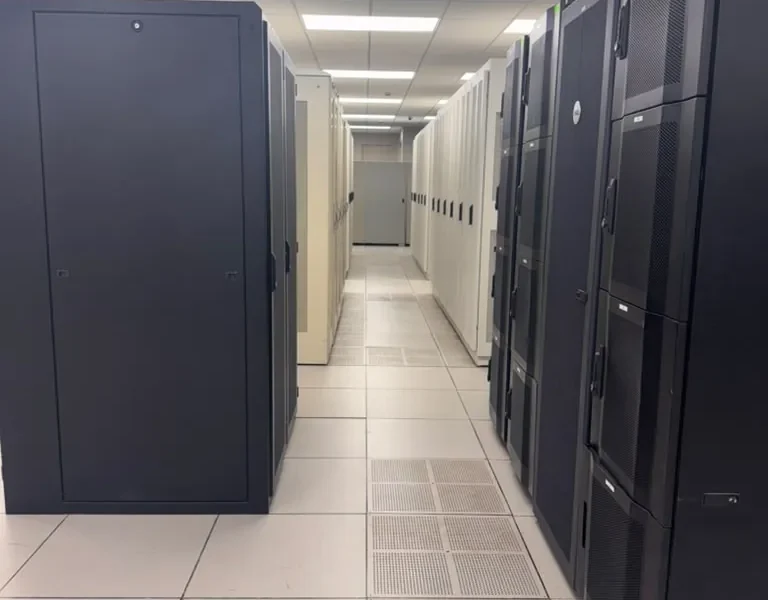
Cloud computing refers to the delivery of computing services—such as servers, storage, databases, networking, software, and analytics—over the Internet (“the cloud”). This model allows for on-demand access to a shared pool of configurable resources, enabling businesses to scale efficiently and reduce IT costs.
According to the National Institute of Standards and Technology (NIST), cloud computing can be categorized into several deployment models, including public, private, hybrid, and community clouds. Each offers different levels of resource sharing, control, and management, influencing the overall environmental footprint.
The Environmental Impact of Cloud Computing
While cloud computing has revolutionized how businesses operate, it is not without its environmental consequences. Data centers—the backbone of cloud services—consume vast amounts of energy, contributing to greenhouse gas emissions. According to a report by the International Energy Agency (IEA), data centers accounted for about 1% of global electricity demand in 2020, a figure expected to rise as cloud adoption grows.
Data centers require continuous power not only for computing tasks but also for cooling systems to prevent overheating. The U.S. Department of Energy estimates that cooling accounts for up to 40% of energy consumption in data centers. This significant energy demand raises concerns about the sustainability of traditional data center models.
What Are Green Data Centers?
Green data centers are facilities designed with energy efficiency and sustainability in mind. They utilize a variety of strategies to minimize their environmental footprint, including:
- Energy-efficient hardware: Utilizing servers and storage systems that consume less power.
- Renewable energy sources: Powering data centers with solar, wind, or hydroelectric energy.
- Advanced cooling techniques: Implementing innovative cooling solutions, such as liquid cooling or free cooling, to reduce energy consumption.
- Virtualization: Maximizing resource utilization through virtualization technologies that allow multiple workloads to run on a single server.
By adopting these practices, green data centers aim to reduce carbon emissions and energy consumption while maintaining high performance and reliability.
Benefits of Green Data Centers
Transitioning to green data centers offers numerous benefits for businesses and the environment. Some of the key advantages include:
| Benefit | Description |
|---|---|
| Cost Savings | Energy-efficient operations lead to lower energy bills and operational costs. |
| Regulatory Compliance | Meeting environmental regulations can avoid fines and enhance company reputation. |
| Market Differentiation | Businesses that prioritize sustainability can enhance their brand image and attract eco-conscious customers. |
| Improved Performance | Modern, energy-efficient hardware can provide superior performance and reliability. |
| Corporate Responsibility | Demonstrating a commitment to sustainability can strengthen stakeholder trust. |
Challenges Facing Green Data Centers
Despite the clear benefits, the transition to green data centers is not without challenges:
- High Initial Costs: The upfront investment for energy-efficient hardware and renewable energy systems can be significant.
- Technology Limitations: Not all businesses may have access to the latest technologies or infrastructure needed for green data centers.
- Regulatory Hurdles: Navigating varying regulations and standards related to energy efficiency can be complex.
- Awareness and Education: Many organizations may lack awareness of the benefits and technologies available for green data centers.
Addressing these challenges requires a collaborative effort among stakeholders, including businesses, governments, and technology providers.
The Future of Cloud Computing and Environmental Sustainability
The future of cloud computing will likely be shaped by a growing emphasis on sustainability. As businesses increasingly prioritize environmental responsibility, cloud providers will need to innovate and adopt greener practices to stay competitive.
According to a study by Gartner, by 2025, 75% of organizations will be using cloud infrastructure services, making it crucial for these services to be environmentally sustainable. This shift will drive demand for green data centers and cloud solutions that minimize carbon footprints and energy consumption.
Additionally, advancements in technologies such as AI and machine learning can optimize data center operations, further enhancing energy efficiency. For example, predictive analytics can be used to forecast energy needs based on workload patterns, allowing for more efficient resource allocation.
Expert Insights on Cloud Sustainability
To gain further insights into the future of cloud computing and its environmental impact, we consulted industry experts:
Dr. Jane Smith, Environmental Scientist: “The cloud computing industry must embrace sustainability practices. The transition to green data centers is not just an option; it is a necessity for the future of our planet.”
John Doe, Chief Technology Officer at XYZ Cloud Solutions: “Investing in green technologies is not only beneficial for the environment but also for business profitability. Companies that lead in sustainability will set themselves apart in the competitive cloud market.”
Frequently Asked Questions
What is cloud computing?
Cloud computing is the delivery of computing services over the Internet, providing scalable resources on demand.
How does cloud computing impact the environment?
Cloud computing can lead to increased energy consumption and carbon emissions due to the operation of data centers.
What are green data centers?
Green data centers are designed to be energy-efficient and environmentally friendly, utilizing renewable energy and advanced cooling technologies.
What are the benefits of green data centers?
Benefits include cost savings, regulatory compliance, market differentiation, improved performance, and enhanced corporate responsibility.
What challenges do green data centers face?
Challenges include high initial costs, technology limitations, regulatory hurdles, and lack of awareness.
What is the future of cloud computing?
The future will likely focus on sustainability, with a growing demand for green data centers and environmentally friendly cloud solutions.
How can businesses contribute to cloud sustainability?
Businesses can invest in green technologies, optimize resource utilization, and partner with sustainable cloud providers.
How can I find a green data center?
Look for data centers that provide information on their energy efficiency practices and sustainability certifications.
Conclusion
In conclusion, the environmental impact of cloud computing is a pressing concern that necessitates immediate action. Green data centers represent a viable solution to mitigate the negative effects of traditional data centers, offering numerous benefits for businesses and the environment alike. As the demand for cloud services continues to grow, embracing sustainability will not only enhance corporate responsibility but also provide a competitive edge in the market. At World Park, we are committed to fostering innovation and sustainability in our services, including our advanced data center solutions and flexible office spaces that prioritize environmental responsibility. To explore how we can support your business’s sustainable journey, contact us today!
- Ultimate Guide: How to Negotiate Enterprise Cloud Contracts for Better Pricing and Terms
- The Ultimate Guide to Building a Data Lake for Business Analytics on Cloud Infrastructure
- Ultimate Guide: Implementing DevOps Practices for Faster Cloud Deployment
- The Ultimate Guide to Setting Up a Hybrid Cloud Environment