How Georgia’s Film and Media Industry Creates Opportunities for Local Production Studios
Georgia has emerged as a powerhouse in the film and media industry, positioning itself as a premier destination for production studios and filmmakers alike. This transformation has not only fueled the local economy but also fostered a vibrant ecosystem for creative professionals. In this article, we will explore how Georgia’s film and media industry creates abundant opportunities for local production studios, the implications for startups and creators, and how facilities like World Park in Alpharetta, GA, are capitalizing on these trends. By the end of this article, you’ll gain insights into the dynamics of Georgia’s media landscape and the resources available to leverage these opportunities.
Overview of Georgia’s Film and Media Industry
Georgia’s film and media industry has seen exponential growth over the past decade, transforming the state into a leading hub for film and television production. According to the Georgia Department of Economic Development, the state has consistently ranked among the top locations for film production in the United States, thanks to its diverse landscapes, competitive tax incentives, and a robust workforce. Major studios like Pinewood Atlanta Studios and Tyler Perry Studios have established their presence, attracting both big-budget blockbusters and independent films.
Key Factors Driving Growth
Several factors have contributed to the rapid expansion of Georgia’s film and media sector:
- Tax Incentives: Georgia offers one of the most attractive film tax credit programs in the country, providing a 30% tax credit on qualified expenses, making it financially viable for producers to film in the state.
- Diverse Locations: From urban settings in Atlanta to picturesque rural landscapes, Georgia provides a variety of backdrops that cater to different storytelling needs.
- Skilled Workforce: The state’s educational institutions, including the Georgia State University and Savannah College of Art and Design, are producing a steady stream of graduates skilled in film production, animation, and media arts.
- Infrastructure: The establishment of state-of-the-art studios and sound stages, such as those at World Park, has bolstered the capacity for high-quality production.
Opportunities for Local Production Studios
The growth of Georgia’s film and media industry has created a myriad of opportunities for local production studios. Here are some of the key avenues for growth:
1. Increased Demand for Content
As streaming platforms like Netflix, Amazon Prime, and Hulu continue to demand more original content, local production studios are in a prime position to fulfill this need. The rise of digital media consumption has opened new doors for creatives to produce films, series, and documentaries.
2. Collaboration with Major Studios
Local studios are increasingly partnering with major film studios and production companies, providing services such as location scouting, post-production, and specialized effects. These collaborations can lead to increased visibility and opportunities for smaller companies.
3. Networking Events and Workshops
Georgia is home to numerous industry events, such as the Georgia Film Festival and various networking meetups, which provide local creatives with the chance to connect, collaborate, and learn from industry veterans. Events hosted at spaces like World Park foster a community of innovators.
4. Access to Funding and Resources
Various grants and funding opportunities are available for local filmmakers. Organizations such as Georgia.org offer resources to help studios secure funding for projects. Additionally, local production studios can benefit from the financial backing of venture capitalists interested in the media sector.
5. Training and Skill Development
With the rise of the industry, many local institutions are offering training programs tailored to the needs of production studios. Workshops on the latest technologies and techniques help ensure that local talent remains competitive in the evolving landscape.
How World Park Supports Local Media Production
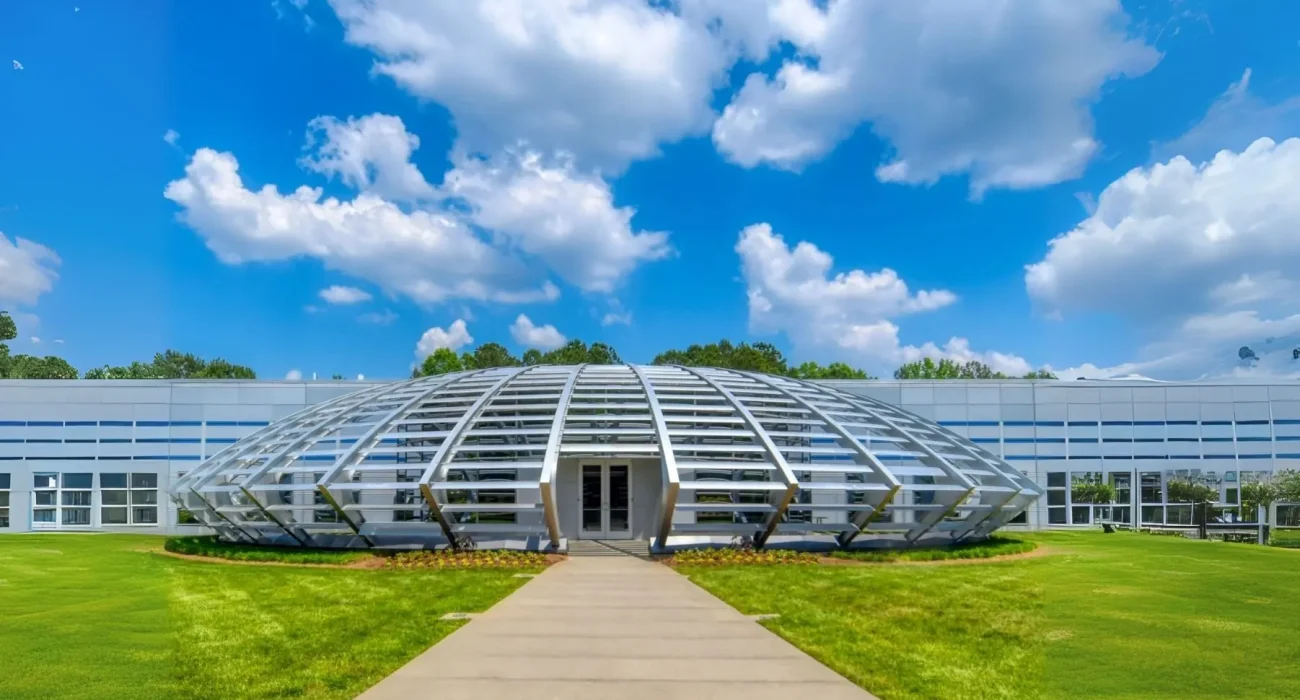
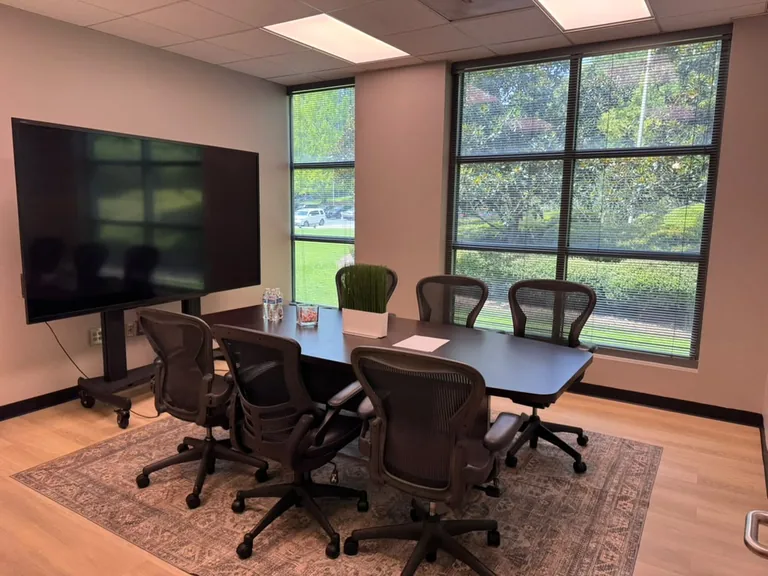
World Park stands out as a modern campus designed to empower startups and media production companies in Alpharetta, GA. Our facilities include professional podcast and video production studios, flexible office spaces, and a collaborative workspace ecosystem. Here’s how we support local media production:
- State-of-the-Art Facilities: Our podcast studios and video production studios are equipped with cutting-edge technology, enabling creators to produce high-quality content.
- Networking Opportunities: We host regular events and workshops that connect local filmmakers with industry experts and potential collaborators. These events foster a spirit of innovation and creativity.
- Flexible Membership Plans: Our flexible workspace plans cater to the diverse needs of startups and media professionals. Whether you need a private office or a coworking space, World Park has a solution that fits your needs.
- Business Development Support: We offer consulting services to help local production studios enhance their operational excellence, ensuring they can scale effectively within the booming industry. Learn more about our consulting services in this article on transforming your business with consulting.
Challenges Facing the Industry
While the growth of Georgia’s film and media industry presents numerous opportunities, it is not without its challenges. Local production studios must navigate a competitive landscape, manage budgets effectively, and stay current with technological advancements. Here are some common challenges:
- Competition: As more studios emerge, competition for contracts and funding can become fierce. Local studios must differentiate themselves through unique offerings and quality service.
- Budget Constraints: Many local studios operate on limited budgets, making it challenging to invest in high-quality equipment and skilled personnel.
- Technological Changes: The rapid pace of technological advancements requires studios to continually adapt and invest in new tools and training. This can strain resources and require strategic planning.
- Regulatory Hurdles: Navigating the regulatory environment can be complex, especially for new entrants. Understanding local laws, permits, and compliance requirements is essential for success.
Future Trends in Georgia’s Film and Media Landscape
As Georgia’s film and media industry continues to evolve, several trends are likely to shape its future:
- Increased Focus on Diversity: There is a growing emphasis on diversity and inclusion within the industry, leading to more opportunities for underrepresented voices in film and media.
- Sustainability Practices: Eco-friendly production practices are becoming more common as studios seek to minimize their environmental impact and appeal to socially conscious audiences.
- Technological Integration: The integration of AI, virtual reality, and other emerging technologies will continue to transform how stories are told and produced.
- Global Collaborations: As the world becomes more interconnected, local studios may increasingly collaborate with international partners, expanding their reach and influence.
Conclusion
Georgia’s film and media industry presents a wealth of opportunities for local production studios, fueled by a supportive ecosystem and a commitment to innovation. As the demand for quality content continues to grow, studios that leverage the resources available in the state, such as those at World Park, will be well-positioned for success. By fostering collaboration, investing in talent, and embracing new technologies, local studios can thrive in this dynamic landscape.
FAQ
1. What are the benefits of filming in Georgia?
Georgia offers tax incentives, diverse locations, and a skilled workforce, making it an attractive destination for filmmakers.
2. How can local production studios access funding?
Local studios can explore grants and funding opportunities from organizations like Georgia.org and private investors interested in media projects.
3. What types of training programs are available for aspiring filmmakers?
Many local institutions offer workshops and courses in film production, editing, and new technologies to help aspiring filmmakers enhance their skills.
4. How does World Park support local media production?
World Park provides state-of-the-art production facilities, networking events, and business development support tailored to the needs of local media professionals.
5. What challenges do local production studios face?
Challenges include competition, budget constraints, technological changes, and navigating regulatory requirements.
6. What trends are shaping the future of Georgia’s film industry?
Key trends include a focus on diversity, sustainability practices, technological integration, and global collaborations.
7. How can I get involved in Georgia’s film industry?
Individuals can start by networking at industry events, enrolling in training programs, or collaborating with local studios.
8. What role does technology play in modern film production?
Technology enhances storytelling capabilities, improves production efficiency, and allows for innovative techniques in filmmaking.