

Is Your Business Data Safe? A 10-Point Security Audit for Alpharetta Companies
In today’s digital age, data security is a pressing concern for businesses of all sizes. With the increasing number of cyber threats, ensuring the safety of your business data is paramount. Alpharetta, known for its thriving business community, is no exception. This article will guide you through a comprehensive 10-point security audit that every company in Alpharetta should consider to safeguard their data.
Understanding the Importance of Data Security
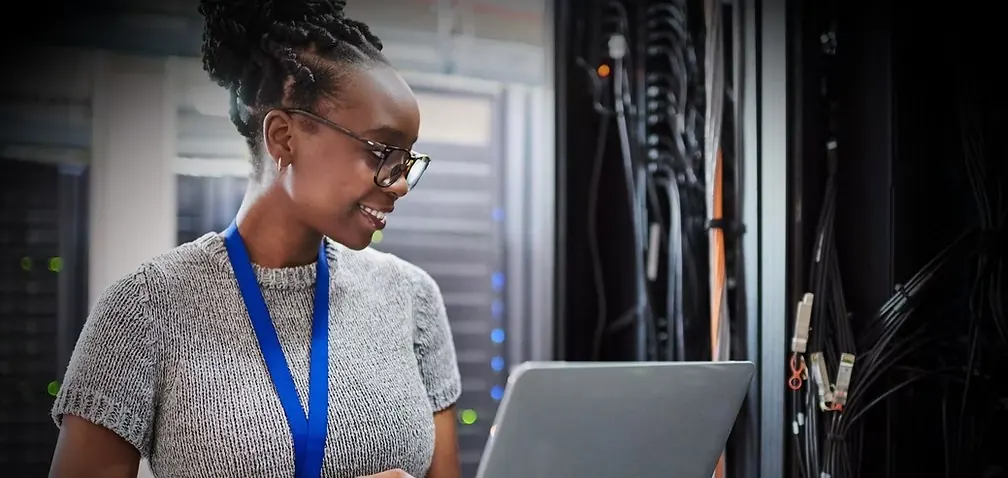
Before diving into the audit, it’s crucial to understand why data security is essential. Businesses handle sensitive information daily, including customer data, financial records, and proprietary information. A data breach can lead to financial loss, reputational damage, and legal consequences. Thus, having a robust security strategy is not just an option; it’s a necessity.
1. Assess Your Current Security Policies
The first step in your security audit is to evaluate your existing security policies. Are they up-to-date? Do they comply with industry standards? Reviewing your policies can help identify gaps that need to be addressed.
Key Considerations:
- Ensure policies align with current regulations like GDPR or CCPA.
- Incorporate employee training on data protection best practices.
2. Conduct a Risk Assessment
A risk assessment involves identifying potential threats to your data and evaluating the likelihood and impact of those threats. This process helps prioritize which areas need immediate attention.
Steps to Conduct a Risk Assessment:
- Identify valuable data assets.
- Determine potential threats such as cyberattacks, natural disasters, and insider threats.
- Assess vulnerabilities in your current systems.
3. Implement Strong Access Controls
Access controls are crucial for preventing unauthorized access to sensitive data. Ensure that only authorized personnel can access critical information.
Best Practices for Access Controls:
- Utilize multi-factor authentication (MFA).
- Regularly review access permissions.
4. Regularly Update Software and Systems
Outdated software can be a significant vulnerability. Regular updates help protect against known security flaws.
Tips for Software Management:
- Set a schedule for regular updates.
- Use automated tools to manage updates whenever possible.
5. Encrypt Sensitive Data
Encryption converts data into a coded format, making it unreadable without the appropriate decryption key. This is essential for protecting sensitive information.
Types of Data to Encrypt:
- Customer data.
- Financial records.
- Intellectual property.
6. Develop an Incident Response Plan
No security system is foolproof. An incident response plan outlines how to respond to a data breach or security incident effectively.
Key Components of an Incident Response Plan:
- Define roles and responsibilities.
- Establish communication channels.
- Outline steps for containment, eradication, and recovery.
7. Backup Your Data Regularly
Regular data backups are crucial for recovery in case of data loss due to a cyberattack or system failure. Ensure backups are stored securely and are easily accessible.
Best Practices for Data Backup:
- Use both on-site and off-site backup solutions.
- Test backup restoration processes regularly.
8. Educate Employees on Security Awareness
Your employees are often the first line of defense against security threats. Regular training on security best practices can significantly reduce risks.
Training Topics to Cover:
- Identifying phishing attempts.
- Safe internet browsing habits.
- Proper handling of sensitive data.
9. Monitor Network Activity
Continuous monitoring of your network can help detect unusual activities that may indicate a security breach. Implement tools that provide real-time alerts.
Monitoring Tools to Consider:
- Intrusion detection systems (IDS).
- Network monitoring software.
10. Review Third-Party Vendor Security
If your business relies on third-party vendors, it’s essential to assess their security measures. Ensure they meet your security standards to prevent vulnerabilities.
Questions to Ask Vendors:
- What security measures do you have in place?
- How do you handle data breaches?
Conclusion
By conducting this 10-point security audit, Alpharetta companies can take significant steps towards safeguarding their business data. Remember, data security is an ongoing process that requires regular reviews and updates. Prioritize your data security to protect your business and your customers.
Frequently Asked Questions
1. What are the common types of data breaches?
Common types include phishing attacks, ransomware, insider threats, and malware infections.
2. How often should I conduct a security audit?
It’s advisable to conduct a security audit at least once a year or whenever there are significant changes in your business operations.
3. What is multi-factor authentication?
Multi-factor authentication (MFA) is a security measure that requires two or more verification factors to gain access to a system.
4. How can I educate my employees about data security?
Implement regular training sessions, workshops, and provide resources on data security best practices.
5. What should I do if I suspect a data breach?
Immediately activate your incident response plan, notify relevant personnel, and begin the investigation.
6. Are free antivirus programs effective?
While free antivirus programs offer basic protection, they may lack comprehensive features found in paid solutions.
7. How can I ensure my backups are secure?
Store backups in a secure location, encrypt them, and regularly test restoration processes.
8. What role do firewalls play in data security?
Firewalls act as a barrier between your internal network and external threats, monitoring and controlling incoming and outgoing traffic.
9. Can small businesses be targeted by cybercriminals?
Yes, small businesses are often targeted because they may have weaker security measures in place.
10. What is the importance of compliance in data security?
Compliance with regulations ensures that businesses follow industry standards for data protection, reducing the risk of data breaches and legal issues.
- Top IT Security Practices for Small Businesses in Alpharetta
- The Biggest Cybersecurity Threats Facing Alpharetta Businesses in 2026
- Remote Work Security: Essential Strategies to Protect Company Data
- Coworking for Healthcare Professionals: Navigating HIPAA Compliance
- On-site data center colocation and disaster recovery
