Podcast Studio vs. Home Recording: Why Audio Quality Makes or Breaks Your Show
In an age where podcasts have exploded in popularity, the quality of audio production can significantly influence the success of your show. Whether you are an aspiring podcaster or a seasoned professional, choosing between a dedicated podcast studio and a home recording setup can make the difference between engaging your audience or losing them. In this article, we’ll explore the critical factors surrounding audio quality, the advantages and disadvantages of both options, and why investing in professional audio production can elevate your podcast to new heights. You’ll learn what makes audio quality important and how it can impact your listener’s experience, ultimately determining your podcast’s success.
Why Audio Quality Matters
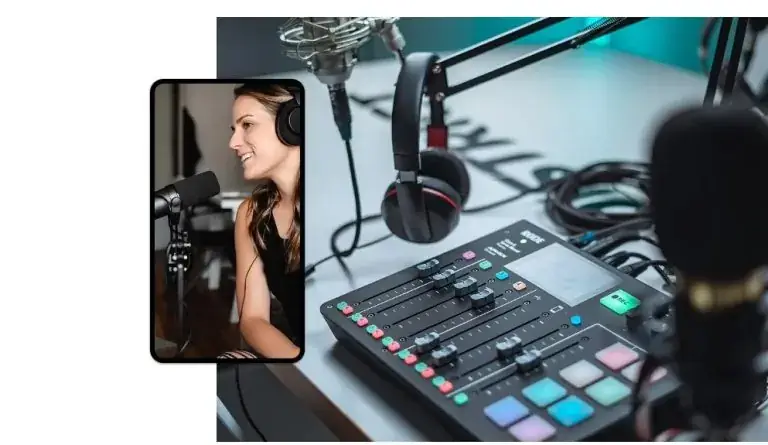
Audio quality is the backbone of any successful podcast. Research shows that listeners are more likely to abandon a podcast with poor sound quality; in fact, a survey conducted by Podchaser revealed that 75% of listeners prefer high-quality audio over content. This statistic emphasizes the importance of investing in quality production, as it directly affects listener retention and engagement. Quality audio not only enhances the overall listening experience but also builds credibility and trust with your audience.
Advantages of a Podcast Studio
Utilizing a professional podcast studio offers a variety of benefits that can significantly enhance your audio production:
- Professional Equipment: Podcast studios are equipped with high-end microphones, soundproofing materials, and advanced mixing consoles, ensuring optimal sound quality.
- Expert Assistance: Many studios provide on-site technicians who can help with equipment setup and offer guidance on sound mixing and editing.
- Soundproof Environment: Studios are designed to minimize external noise and echo, creating a controlled environment that enhances audio clarity.
- Networking Opportunities: Recording in a studio often opens doors to networking with other podcasters and professionals in the industry, fostering collaboration.
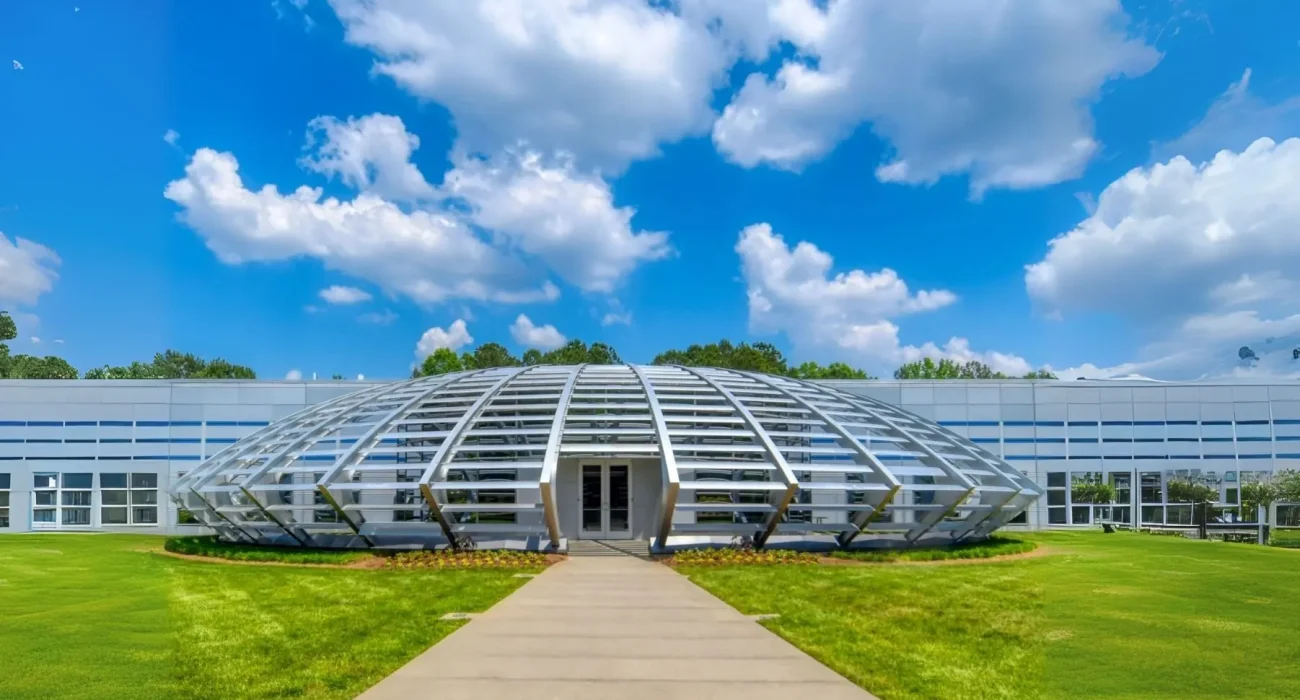
For instance, at World Park, our professional podcast studios are designed specifically for content creators, offering state-of-the-art technology and a soundproof environment to help you produce high-quality audio.
Home Recording Setup: Pros and Cons
While many podcasters prefer the convenience of recording at home, this setup has its own set of advantages and disadvantages:
Advantages of Home Recording
- Cost-Effective: Setting up a home studio can be significantly cheaper, as you can invest in essential equipment without the overhead costs of studio rental.
- Flexibility: Recording at home allows for greater flexibility in scheduling and environment, enabling you to record whenever inspiration strikes.
- Personal Touch: A home setup can reflect your personality and style, making your podcast feel more relatable to your audience.
Disadvantages of Home Recording
- Variable Audio Quality: Home environments can introduce background noise, echo, and other audio issues that affect sound quality.
- Lack of Professional Equipment: Unless you invest in high-quality gear, your audio may not meet industry standards, potentially deterring listeners.
- Self-Reliance: Without expert assistance, you may struggle with technical aspects such as mixing and editing, which can lead to subpar audio quality.
Podcast Studio vs. Home Recording: Audio Quality Comparison
| Feature | Podcast Studio | Home Recording |
|---|---|---|
| Microphone Quality | High-end, professional microphones | Varies; often lower quality |
| Soundproofing | Designed for optimal sound isolation | Depends on home environment |
| Technical Support | On-site experts available | Self-managed |
| Editing Tools | Advanced mixing and editing software | Basic software may be used |
| Background Noise | Minimized | Often present |
As illustrated in the table above, podcast studios generally provide superior audio quality due to their professional equipment and controlled environments. In contrast, home recording setups can struggle with sound quality issues that may detract from the listener’s experience.
Best Practices for Achieving High Audio Quality
Regardless of where you choose to record, there are several best practices you can implement to ensure high audio quality:
- Invest in Quality Equipment: Whether at home or in a studio, using high-quality microphones, headphones, and audio interfaces is crucial.
- Optimize Your Recording Environment: If recording at home, choose a quiet room with minimal echo. Consider using soundproofing materials such as foam panels or carpets.
- Monitor Levels: Regularly check your audio levels during recording to avoid peaking and distortion.
- Edit and Mix Effectively: Take the time to edit your recordings, removing background noise and optimizing sound levels for a polished final product.
- Seek Feedback: Share your recordings with trusted peers or mentors to gather feedback on audio quality and content delivery.
Conclusion
In conclusion, the choice between a podcast studio and a home recording setup ultimately hinges on your goals, budget, and commitment to quality. While home recording offers flexibility and cost savings, the superior audio quality provided by professional podcast studios can significantly enhance your show’s success. By understanding the importance of audio quality and implementing best practices, you can ensure your podcast resonates with your audience and stands out in a crowded market. For those serious about their podcasting journey, investing in a professional studio is a wise decision that can lead to long-term growth and engagement.
FAQs
1. What is the difference between a podcast studio and home recording?
A podcast studio offers professional equipment and soundproofing, while home recording relies on personal gear in a less controlled environment.
2. How can audio quality impact my podcast?
Poor audio quality can lead to listener abandonment, while high-quality audio enhances engagement and credibility.
3. What equipment do I need for home recording?
At a minimum, you will need a good microphone, headphones, and an audio interface.
4. Can I achieve professional audio quality at home?
Yes, but it requires investment in quality equipment and careful attention to your recording environment.
5. Why is soundproofing important for podcasting?
Soundproofing minimizes background noise and echo, resulting in clearer audio.
6. How can I improve my podcast audio quality?
Invest in quality gear, optimize your recording space, monitor levels, and edit effectively.
7. Are there benefits to recording in a studio?
Yes, studios provide professional equipment, technical support, and a soundproof environment that enhances audio quality.
8. What are some common mistakes in podcast audio production?
Common mistakes include neglecting soundproofing, using poor-quality equipment, and failing to monitor audio levels.
- Your Ultimate Guide to Launching a Professional Podcast in Alpharetta
- The Complete Podcast Equipment Guide for Beginners: Essentials You Need
- Podcast Legal Basics: Music Licensing, Fair Use & Guest Release Forms
- Launching a Podcast Network: Expert Insights from Multi-Show Producers
- Podcast studio on campus