
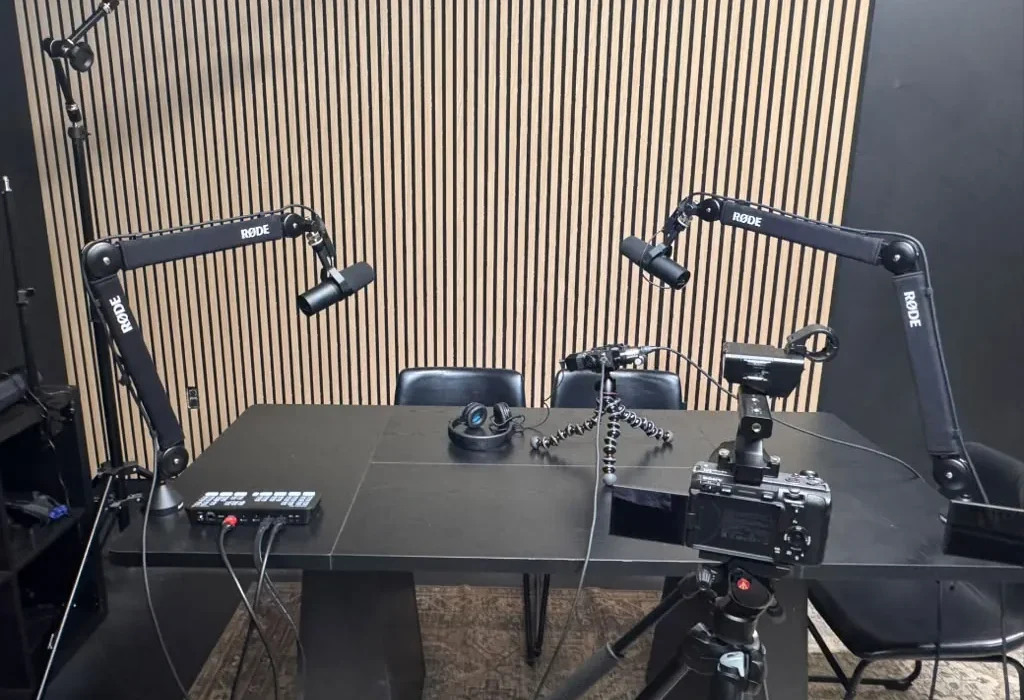
The Best Microphones for Podcasting in 2026: USB vs. XLR Comparison
As the podcasting landscape continues to evolve, selecting the right microphone has become crucial for achieving high-quality audio. In 2026, podcasters face a significant choice: should they opt for USB microphones or XLR microphones? This comprehensive guide will compare these two types of microphones, exploring their features, benefits, and ideal use cases for podcasters. Whether you’re a seasoned podcaster or just starting, understanding the differences between USB and XLR microphones will help you make an informed decision that aligns with your podcasting goals.
Understanding Podcasting Microphones
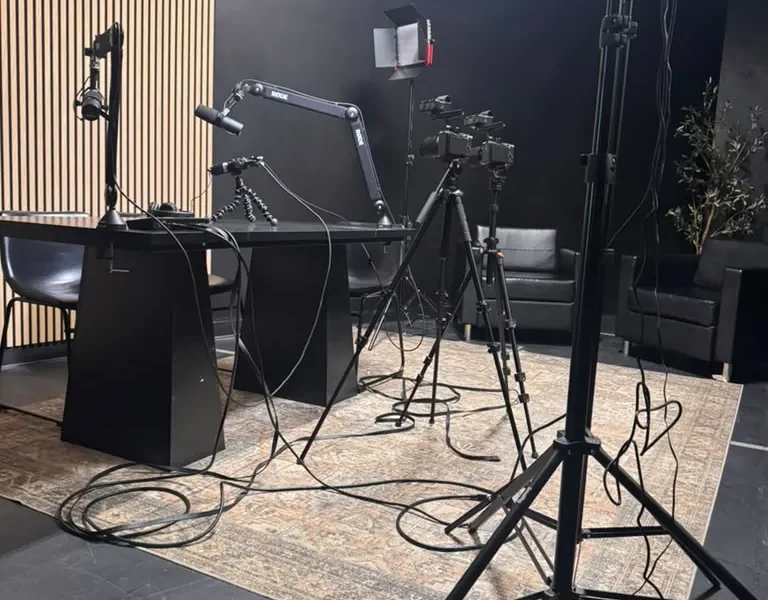
Microphones are the heart of any podcasting setup. They capture the voice and deliver it to your audience with clarity and detail. In 2026, two main types of microphones dominate the podcasting space: USB and XLR microphones. Each type has its unique characteristics and applications.
USB microphones are plug-and-play devices that connect directly to your computer, making them user-friendly and accessible for beginners. On the other hand, XLR microphones require an audio interface or mixer, offering more versatility and professional sound quality for advanced users.
USB Microphones: Pros and Cons
USB microphones have gained popularity due to their ease of use and affordability. Here are some of the key advantages and disadvantages:
Pros of USB Microphones
- Plug-and-Play: Simply connect the microphone to your computer, and you’re ready to record.
- Affordable: Many quality USB microphones are available at a lower price point, making them ideal for beginners.
- Compact and Portable: USB microphones are often smaller and lighter, making them easy to transport.
- Built-in Features: Some models come with built-in pop filters and headphone outputs, enhancing the recording experience.
Cons of USB Microphones
- Limited Sound Quality: While many USB microphones offer good sound quality, they may not match the professional audio quality of XLR microphones.
- Less Flexibility: USB microphones are typically less versatile in terms of setup and configuration.
XLR Microphones: Pros and Cons
XLR microphones are the industry standard for professional audio recording. They offer superior sound quality and flexibility but come with a steeper learning curve. Here are the pros and cons:
Pros of XLR Microphones
- Superior Sound Quality: XLR microphones typically provide better audio fidelity, capturing nuances in voice and sound.
- Versatility: They can be used with various audio interfaces and mixers, offering more control over sound.
- Upgradable: As your podcasting needs grow, you can upgrade your audio equipment without changing the microphone.
Cons of XLR Microphones
- Higher Cost: XLR microphones usually require additional equipment, such as audio interfaces, which can increase the overall cost.
- Complex Setup: Setting up an XLR microphone can be more complicated, requiring knowledge of audio equipment.
Comparing USB and XLR Microphones
To better understand the differences between USB and XLR microphones, let’s take a look at a comparison table:
| Feature | USB Microphones | XLR Microphones |
|---|---|---|
| Sound Quality | Good | Excellent |
| Ease of Use | Very Easy | Moderate to Difficult |
| Cost | Lower | Higher |
| Flexibility | Limited | High |
| Portability | High | Moderate |
As highlighted in this table, the choice between USB and XLR microphones largely depends on your podcasting needs and experience level. Beginners may find USB microphones more accessible, while experienced podcasters might prefer the superior sound quality and versatility of XLR microphones.
Choosing the Right Microphone for Your Podcast
When selecting a microphone for your podcast, consider the following factors:
1. Budget
Your budget will significantly influence your choice. USB microphones are generally more affordable, making them a great option for those just starting out. XLR microphones, while more expensive, offer a long-term investment in sound quality and flexibility.
2. Experience Level
If you’re new to podcasting, a USB microphone can simplify the recording process. However, if you have experience and want to take your podcast to the next level, investing in an XLR microphone may be worthwhile.
3. Recording Environment
Consider where you’ll be recording. If you plan to record in various locations, a portable USB microphone might be more convenient. For studio setups, XLR microphones can provide superior audio quality.
4. Future Growth
Think about your podcast’s future. If you plan to expand and enhance your audio setup over time, starting with an XLR microphone can be beneficial.
Expert Tips for Quality Podcasting
To achieve the best sound quality for your podcast, consider these expert tips:
FAQs
What is the best microphone for beginners?
The best microphone for beginners is typically a USB microphone due to its ease of use and affordability.
Are XLR microphones worth the investment?
Yes, XLR microphones are worth the investment if you prioritize sound quality and plan to expand your podcasting setup.
Can I use a USB microphone for professional podcasting?
Yes, many USB microphones offer good sound quality and can be used for professional podcasting, especially for beginners.
What is the difference between dynamic and condenser microphones?
Dynamic microphones are more rugged and better for live settings, while condenser microphones offer a wider frequency response and are often preferred for studio recordings.
How much should I spend on a podcast microphone?
For beginners, a budget of $50-$150 is reasonable for a good USB microphone. For XLR microphones, expect to spend $200 or more, depending on the model and additional equipment needed.
Do I need an audio interface for a USB microphone?
No, USB microphones connect directly to your computer and do not require an audio interface.
What are some recommended USB microphones?
Some popular USB microphones include the Blue Yeti, Audio-Technica ATR2100x-USB, and Rode NT-USB.
What are some recommended XLR microphones?
Recommended XLR microphones include the Shure SM7B, Audio-Technica AT2020, and Rode NT1-A.
- The Ultimate Guide to Creating a Podcast Content Calendar for Consistency
- Podcast Editing Software Compared: Descript, Adobe Podcast, Audacity & More
- Ultimate Podcast SEO: Optimize Your Show for Apple Podcasts & Spotify
- Ultimate Guide: Grow Your Podcast Audience to 10,000 Downloads
- Podcast studio on campus