The Rise of the Remote Startup Founder: Navigating the New Normal in Entrepreneurship
In recent years, the landscape of entrepreneurship has undergone a seismic shift. The traditional image of a startup founder, often seen holed up in a bustling office, has evolved dramatically. Today, the rise of remote work has paved the way for a new breed of entrepreneur: the remote startup founder. This article explores the emergence of remote entrepreneurship, its benefits, challenges, and how modern workspaces like World Park cater to this growing community.
The Evolution of Remote Work

The concept of remote work was gaining traction even before the global pandemic forced organizations to adapt. However, the COVID-19 crisis accelerated this trend, pushing companies and individuals alike to embrace remote work as a viable alternative to traditional office settings. As businesses adjusted to the new normal, many startup founders discovered the advantages of working remotely.
The Role of Technology
Advancements in technology have significantly contributed to the rise of remote startup founders. With tools such as video conferencing, project management software, and cloud-based applications, entrepreneurs can collaborate seamlessly from anywhere in the world. This technological infrastructure has democratized access to resources, enabling founders to build their businesses without the constraints of a physical location.
Changing Attitudes Towards Work
Today’s workforce prioritizes flexibility and work-life balance more than ever. Many professionals are seeking opportunities that allow them to work from home or travel while still pursuing their career goals. This shift in mindset has encouraged a growing number of individuals to consider entrepreneurship as a more appealing path, leading to an influx of remote startup founders.
The Benefits of Being a Remote Startup Founder
There are numerous advantages associated with being a remote startup founder. Here are some of the most notable benefits:
Flexibility and Autonomy
One of the primary benefits of remote work is the flexibility it offers. Remote startup founders can set their own schedules, allowing them to work during their most productive hours. This autonomy can lead to increased creativity and innovation, as founders can tailor their work environments to suit their personal preferences.
Cost Savings
Starting a business can be expensive, but remote founders often experience significant cost savings. Without the need for a physical office space, entrepreneurs can allocate their resources to other critical areas, such as marketing and product development. Additionally, remote work allows founders to hire talent from around the globe, often at a lower cost than hiring locally.
Access to a Global Talent Pool
Remote work opens up opportunities for startup founders to tap into a diverse and global talent pool. By hiring employees from different geographical locations, entrepreneurs can access unique perspectives and skills that can drive innovation and growth. This diversity can also enhance the company’s culture and foster creativity.
Challenges Faced by Remote Startup Founders
While the benefits of remote entrepreneurship are significant, there are also challenges that remote startup founders must navigate. Understanding these obstacles is crucial for success in a remote environment.
Communication and Collaboration
Effective communication is essential for any business, but it can be particularly challenging in a remote setting. Remote founders must find ways to foster collaboration among team members who may be working in different time zones and locations. This requires the implementation of robust communication tools and strategies to ensure that everyone stays connected and aligned.
Managing Work-Life Balance
While remote work offers flexibility, it can also blur the lines between personal and professional life. Remote startup founders may find it challenging to establish boundaries, leading to burnout and decreased productivity. It is vital for entrepreneurs to prioritize self-care and implement strategies to maintain a healthy work-life balance.
Building a Company Culture
Creating a strong company culture can be more challenging in a remote environment. Founders must be intentional about fostering relationships among team members and promoting a sense of belonging. Regular virtual team-building activities and open communication channels can help strengthen the company’s culture.
The Role of Modern Workspaces
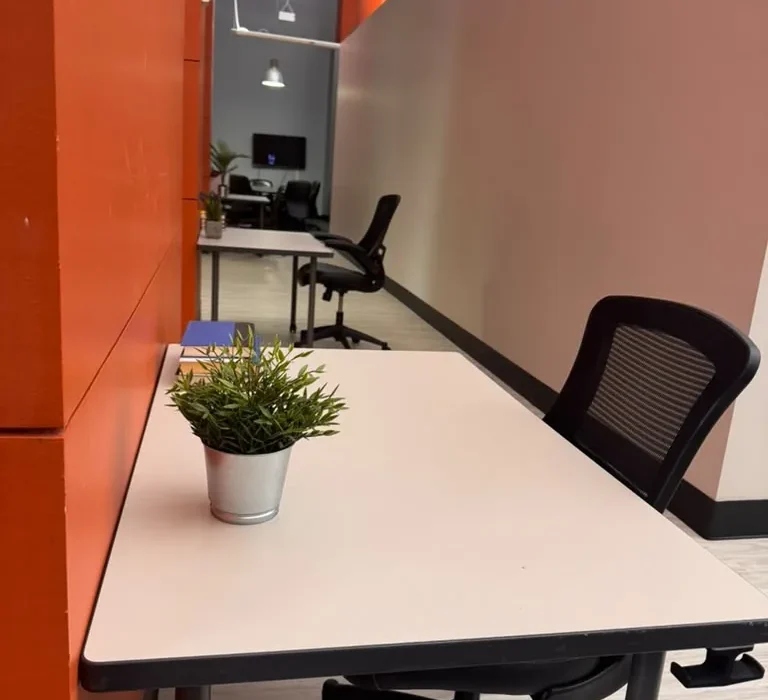
As the remote startup founder trend continues to grow, modern workspaces like World Park are emerging as essential resources for entrepreneurs. Offering a blend of private offices, coworking environments, and professional podcast and video production studios, World Park provides the ideal infrastructure for remote founders to thrive.
Supporting Remote Entrepreneurs
World Park’s startup-friendly workspace ecosystem is designed to cater to the unique needs of remote entrepreneurs. With flexible membership plans, founders can choose the workspace solution that best fits their business model and budget. Additionally, the enterprise-grade technology infrastructure ensures that remote founders have access to the tools they need to succeed.
Networking Opportunities
One of the most significant advantages of joining a modern workspace like World Park is the opportunity for networking. The collaborative community fosters connections among entrepreneurs, providing invaluable support and resources. Business networking events and startup workshops create avenues for founders to share ideas, collaborate on projects, and grow their businesses.
Content Creation and Media Production Support
In today’s digital age, content creation plays a pivotal role in a startup’s success. World Park offers media production support, enabling remote founders to produce high-quality podcasts, videos, and marketing materials. This support empowers entrepreneurs to effectively communicate their brand story and reach their target audience.
Conclusion
The rise of the remote startup founder marks a significant shift in the entrepreneurial landscape. With the combination of technology, changing attitudes towards work, and access to global resources, remote founders are redefining what it means to be an entrepreneur. While challenges exist, modern workspaces like World Park are paving the way for success in this new era of entrepreneurship. As the world continues to embrace remote work, the potential for innovation and growth is limitless.
FAQs
1. What is a remote startup founder?
A remote startup founder is an entrepreneur who runs their business from a location outside of a traditional office environment, often utilizing technology to collaborate with team members and manage operations.
2. What are the benefits of being a remote startup founder?
Remote startup founders enjoy flexibility, cost savings, access to a global talent pool, and the ability to work from anywhere.
3. What challenges do remote startup founders face?
Common challenges include communication and collaboration difficulties, managing work-life balance, and building a company culture.
4. How can remote founders maintain communication with their teams?
Remote founders can use various communication tools such as Slack, Zoom, and project management software to facilitate collaboration and keep team members connected.
5. What role do modern workspaces play for remote founders?
Modern workspaces like World Park provide essential infrastructure, networking opportunities, and resources to support remote founders in their entrepreneurial journey.
6. How can remote founders build a company culture?
Remote founders can build a company culture through regular virtual team-building activities, open communication, and fostering relationships among team members.
7. Are there specific tools that remote founders should use?
Remote founders should consider using tools like Trello, Asana, Slack, and Zoom for project management and communication.
8. How can remote founders ensure a healthy work-life balance?
Remote founders can establish boundaries by setting work hours, taking regular breaks, and prioritizing self-care activities.
9. What resources are available for remote startup founders?
Many resources are available, including online courses, mentorship programs, and modern workspaces that offer support and networking opportunities.
10. How can I get started as a remote startup founder?
To get started, identify a business idea, create a solid plan, leverage technology for communication and collaboration, and consider joining a modern workspace for support.