What Is a Colocation Data Center and Do You Need One?
In today’s digital age, businesses are increasingly reliant on technology to manage their operations, store data, and communicate with customers. As a result, the demand for secure and efficient data storage solutions has surged. One answer to this growing need is the colocation data center. But what exactly is a colocation data center, and how can it benefit your business? This article will explore the concept of colocation, its advantages, and whether your organization should consider utilizing this type of service.
Understanding Colocation Data Centers
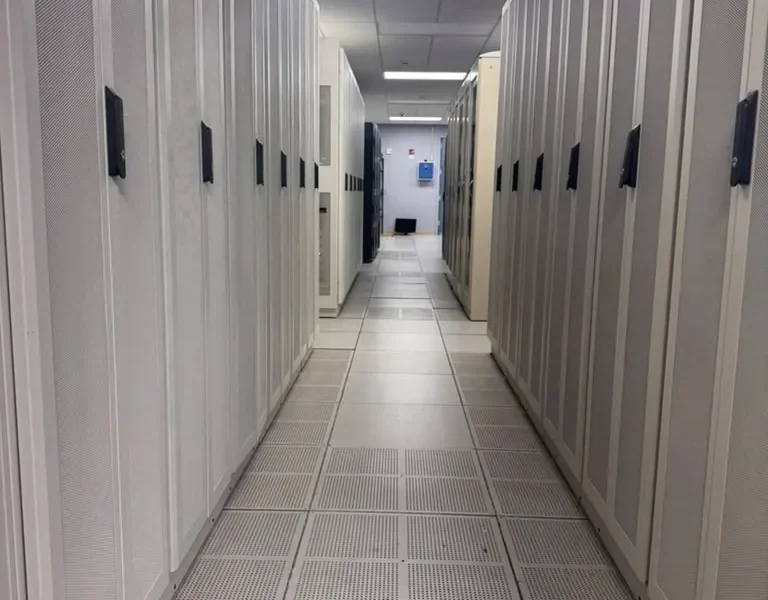
A colocation data center, often referred to simply as a colocation center, is a facility that allows businesses to rent space for their servers and other computing hardware. Instead of maintaining their own data center, companies can colocate their equipment within a larger facility that provides essential services such as power, cooling, security, and redundancy.
How Colocation Works
In a colocation setup, businesses lease space within a data center to house their servers and networking equipment. This space can be in the form of a rack, a cage, or even an entire room, depending on the size of the operation. The data center takes care of the infrastructure needed to keep the equipment running smoothly, including:
- Power: Reliable power sources and backup generators to ensure uptime.
- Cooling: Climate control systems to prevent overheating.
- Security: Physical security measures like surveillance cameras and controlled access.
- Connectivity: High-speed internet connections and redundancy options.
The Advantages of Using a Colocation Data Center
There are several compelling reasons for businesses to consider colocation data centers. Below are some of the primary advantages:
1. Cost Savings
Building and maintaining an in-house data center can be prohibitively expensive. Colocating allows companies to leverage the existing infrastructure of a data center, resulting in significant cost savings. Businesses can avoid hefty capital expenditures on hardware, power, cooling, and security.
2. Enhanced Security
Colocation data centers typically invest heavily in physical security measures. This includes 24/7 surveillance, access control systems, and fire suppression systems. For businesses that handle sensitive data, such as financial institutions or healthcare organizations, this level of security is crucial.
3. Scalability
One of the main advantages of colocation is the ability to scale operations quickly. As a business grows, it can easily add more servers or equipment within the colocation facility without the need to invest in additional real estate or infrastructure.
4. Improved Reliability and Uptime
Colocation providers often have extensive redundancy measures in place, ensuring high levels of uptime. This includes multiple power sources, backup generators, and redundant internet connections, which all contribute to a more reliable service.
5. Access to Expertise
Many colocation facilities employ IT professionals who can provide support and management services. This access to expertise can be invaluable for businesses that may not have the resources to hire full-time IT staff.
6. Better Connectivity
Colocation centers typically have multiple network providers, allowing businesses to choose connections that best suit their needs. This can result in faster, more reliable internet access, which is essential for businesses that depend on cloud services or need to serve customers quickly.
Do You Need a Colocation Data Center?
Determining whether your business needs a colocation data center depends on several factors:
1. Business Size and Growth Potential
Smaller firms might not require the extensive resources offered by a colocation facility, while larger enterprises or rapidly growing startups could benefit significantly from the flexibility and scalability of colocation.
2. Data Security Requirements
If your business handles sensitive data, the enhanced security features of a colocation center may be critical. Consider the regulatory requirements applicable to your industry, as many require stringent data protection measures.
3. IT Infrastructure and Management
Companies lacking the in-house expertise to manage their data infrastructure may find that colocation services provide the necessary support. Evaluate whether your team has the skills to maintain a secure and efficient data center.
4. Cost Considerations
While colocation can offer cost savings, it’s essential to analyze your budget and compare the costs of colocation versus maintaining an in-house data center. Consider both the short-term and long-term implications.
Conclusion
Colocation data centers offer a robust solution for businesses seeking reliable, secure, and scalable data management options. By leveraging the infrastructure and expertise of a colocation provider, companies can focus on their core operations while ensuring their data is safe and accessible. If your organization is experiencing growth, handling sensitive information, or lacking in-house IT capabilities, it might be time to consider whether colocation is the right choice for your business.
Frequently Asked Questions
1. What is the difference between colocation and cloud services?
Colocation involves renting space in a physical data center for your own servers, while cloud services provide virtualized resources managed by a provider.
2. How can I choose the right colocation provider?
Consider factors like location, security features, redundancy, connectivity options, and customer support when selecting a colocation provider.
3. Is colocation suitable for small businesses?
Yes, colocation can be beneficial for small businesses, especially those that require increased security or plan to scale their operations.
4. What are the typical costs associated with colocation?
Costs can vary based on factors like space, power usage, and additional services. It’s essential to get quotes from multiple providers for comparison.
5. Can I manage my servers in a colocation facility?
Yes, businesses can manage their servers within the colocation facility, often via remote access or on-site visits.
6. What security measures do colocation data centers implement?
Colocation centers typically use surveillance cameras, access control, fire suppression systems, and multi-factor authentication for security.
7. How does colocation impact latency?
Colocation can reduce latency by providing faster connectivity options and reducing the physical distance between servers and users.
8. What should I consider when planning for colocation?
Evaluate your current and future IT needs, budget, security requirements, and the level of support you may need from the colocation provider.