What Is a Data Center and Why Does Your Small Business Need One?
In today’s digital age, data plays a crucial role in the success of any business, regardless of its size. As small businesses navigate the complexities of technology and data management, understanding the concept of a data center becomes essential. This article will delve into what a data center is, its significance, and why your small business should consider utilizing one.
Understanding Data Centers
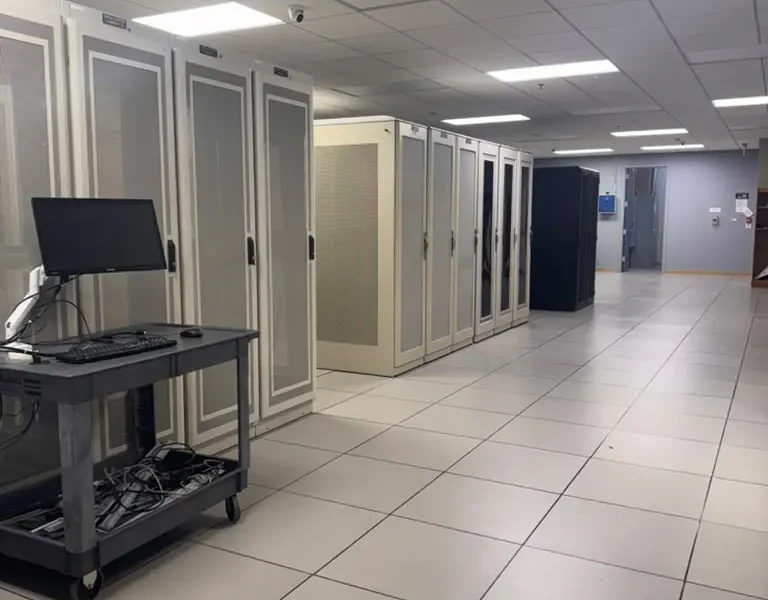
A data center is a physical facility that organizations use to house their critical applications and data. It consists of various components, including servers, storage systems, networking equipment, and security devices. Data centers are designed to manage, store, and disseminate data efficiently and securely. They are pivotal in supporting the IT infrastructure of organizations, managing large volumes of data, and ensuring uninterrupted access to information.
Components of a Data Center
Data centers are complex structures that incorporate a range of components:
- Servers: Powerful computing machines that process data and applications.
- Storage Systems: Devices that store large amounts of data, such as hard drives and solid-state drives.
- Networking Equipment: Routers, switches, and firewalls that ensure data can flow securely and efficiently.
- Cooling Systems: Essential for maintaining optimal temperatures to prevent overheating of equipment.
- Power Supply: Redundant power systems to ensure continuous operation.
- Security Measures: Physical and digital security protocols to protect data from unauthorized access.
The Importance of Data Centers for Small Businesses
For small businesses, leveraging a data center can offer numerous benefits that enhance operational efficiency and data security.
1. Enhanced Data Security
Data breaches can be catastrophic for small businesses, often leading to financial loss and reputational damage. Data centers employ advanced security measures, including firewalls, encryption, and physical security protocols, to safeguard sensitive information.
2. Scalability
As your business grows, so will its data needs. Data centers provide scalable solutions that allow businesses to expand their infrastructure without significant upfront costs. This flexibility enables small businesses to adapt to changing demands easily.
3. Cost Efficiency
Building and maintaining an in-house data center can be prohibitively expensive for small businesses. By utilizing a third-party data center, businesses can reduce operational costs associated with hardware, maintenance, and staffing.
4. Improved Performance and Reliability
Data centers often feature enterprise-grade technology infrastructure that ensures high performance and reliability. With redundant systems in place, small businesses can benefit from reduced downtime and improved service delivery.
5. Access to Advanced Technologies
Data centers provide access to advanced technologies that may be out of reach for small businesses. This includes high-speed internet connections, cloud computing services, and the latest hardware, enabling businesses to remain competitive in their industries.
Choosing the Right Data Center for Your Small Business
When considering a data center for your small business, several factors come into play:
1. Location
The geographic location of a data center can influence latency and accessibility. Choose a data center that is strategically located to minimize delays in data transmission.
2. Compliance and Certifications
Ensure the data center complies with industry regulations and possesses relevant certifications. This is crucial for businesses that handle sensitive data, such as healthcare or financial information.
3. Services Offered
Different data centers offer various services, including cloud services, managed IT services, and backup solutions. Assess your business needs to select a provider that aligns with your requirements.
4. Cost Structure
Understand the pricing model of the data center. Some may charge based on usage, while others may offer flat-rate pricing. Choose a structure that fits your budget and growth plans.
FAQs About Data Centers
1. What is the primary purpose of a data center?
The primary purpose of a data center is to manage, store, and disseminate data securely and efficiently.
2. Can small businesses afford to use a data center?
Yes, many data centers offer flexible pricing plans that can accommodate the budget of small businesses.
3. What are the different types of data centers?
Data centers can be classified into several types, including enterprise data centers, colocation data centers, managed services data centers, and cloud data centers.
4. How does a data center enhance data security?
Data centers employ advanced security measures such as firewalls, encryption, and physical security protocols to protect data.
5. What is the difference between on-premise and cloud data centers?
On-premise data centers are owned and operated by the business, while cloud data centers are hosted by third-party providers and accessed via the internet.
6. Are data centers environmentally friendly?
Many data centers are adopting green technologies and practices to reduce their carbon footprint, such as using renewable energy sources and energy-efficient systems.
7. How can I determine if my business needs a data center?
Evaluate your business’s data requirements, growth projections, and security needs to determine if a data center is necessary.
8. What should I look for in a data center provider?
Look for factors such as location, compliance, services offered, cost structure, and customer support when selecting a data center provider.
Conclusion
In conclusion, a data center is an invaluable asset for small businesses looking to enhance their data management, security, and operational efficiency. By understanding the importance of data centers and choosing the right one, small businesses can position themselves for success in a data-driven world. As technology continues to evolve, investing in a data center may just be the strategic move that propels your business forward.
- Why Alpharetta Tech Companies Trust Local Data Centers
- What Is a Colocation Data Center and Why Alpharetta Businesses Need One
- Cloud Hosting vs. On-Premise Servers: What Georgia Businesses Should Know
- What Is a Colocation Data Center and Do You Need One?
- Why Alpharetta Is Emerging as a Major Data Center Hub in the Southeast
