
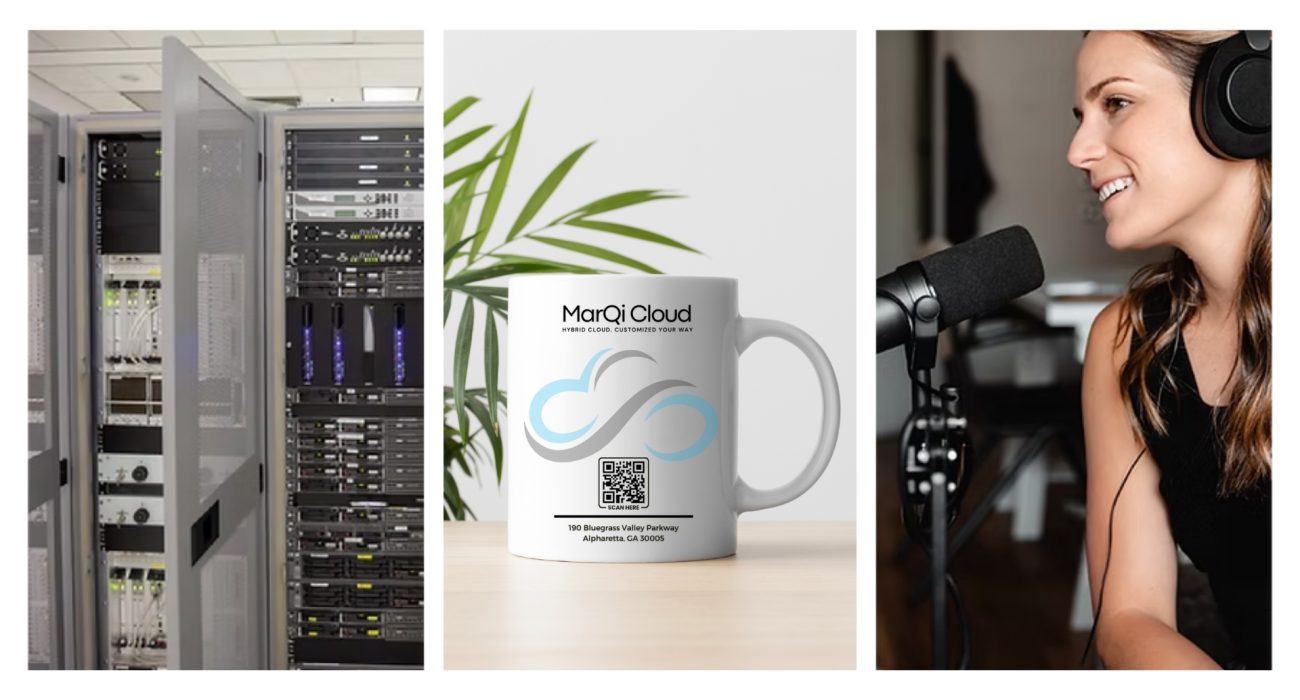
Why Local Data Centers Beat AWS for Small Businesses in Georgia
In the rapidly evolving world of technology, small businesses are increasingly reliant on robust and reliable data storage solutions. As a result, many Georgia-based businesses are faced with a critical decision: should they opt for a major cloud service provider like Amazon Web Services (AWS), or should they consider local data centers? This article explores the advantages of local data centers for small businesses in Georgia, highlighting key factors such as cost, performance, support, and community engagement.
Understanding Local Data Centers
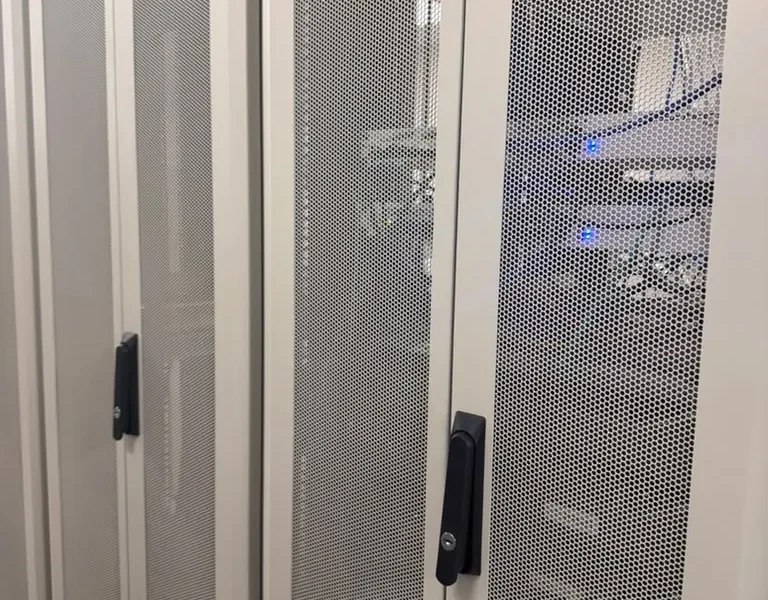
Local data centers are facilities that store and manage data for businesses within a specific geographical area. They provide various services, including data storage, hosting, and networking. Unlike large cloud providers like AWS, which operate data centers globally, local data centers focus on serving regional clients with tailored solutions.
The Advantages of Local Data Centers
1. Cost-Effectiveness
One of the most significant benefits of using a local data center is cost-effectiveness. Small businesses often operate with limited budgets, and local providers can offer more competitive pricing compared to AWS. Local data centers eliminate the need for businesses to overpay for unnecessary features and can provide customized plans that align with specific business needs.
2. Improved Performance
Latency and speed are critical factors for online operations. Local data centers typically provide lower latency than cloud giants like AWS because they are geographically closer to their clients. This proximity results in faster data access and improved application performance, which is essential for businesses needing real-time processing.
3. Personalized Customer Support
Customer support is crucial, especially for small businesses that may lack in-house IT expertise. Local data centers often offer personalized support tailored to the specific needs of their clients. Unlike AWS, where support may be standardized and impersonal, local providers can develop strong relationships with their clients, ensuring rapid response times and customized solutions.
4. Enhanced Data Security
Data security is a top concern for businesses of all sizes. Local data centers often provide enhanced security measures tailored to the local business environment. They understand the unique challenges and regulatory requirements faced by Georgia businesses, ensuring compliance and protection against data breaches.
5. Community Engagement and Networking
Utilizing a local data center fosters community engagement and networking opportunities. Small businesses can create connections with other local enterprises, share resources, and collaborate on projects. This community aspect can lead to increased innovation and support, which is often lacking when businesses work with larger global providers.
The Role of Local Data Centers in Supporting Small Businesses
Local data centers play a vital role in supporting the growth and success of small businesses in Georgia. From startup-friendly workspaces to enterprise-grade technology infrastructure, these facilities create an ecosystem where small businesses can thrive.
1. Startup-Friendly Environment
Many local data centers understand the challenges that startups face and offer flexible membership and workspace plans. This adaptability allows small businesses to scale their operations as they grow, without the burden of long-term commitments typical of larger providers.
2. Collaboration and Innovation
Local data centers often host events and workshops that encourage collaboration and innovation among businesses. These gatherings provide invaluable opportunities for networking, knowledge sharing, and learning from industry experts.
3. Focus on Content Creation and Media Production
In today’s digital age, content creation is key to business success. Many local data centers offer podcast and video production studios, enabling small businesses to produce high-quality content without the need for significant upfront investment.
Comparing Local Data Centers and AWS
Cost Comparison
While AWS offers a pay-as-you-go model, the costs can quickly add up with additional features and data transfer fees. Local data centers often provide fixed pricing or simpler pricing structures that make budgeting easier for small businesses.
Performance Metrics
Local data centers can provide performance metrics that demonstrate their advantages in speed and reliability compared to AWS. Businesses in Georgia can conduct their assessments to determine the best fit for their needs.
Support Response Times
Support from local data centers is often faster and more personalized than AWS. Small businesses benefit from quick resolutions to issues, which is critical for minimizing downtime and maintaining productivity.
Conclusion
As small businesses in Georgia navigate the complexities of data management, local data centers emerge as a compelling alternative to major cloud providers like AWS. With advantages in cost, performance, personalized support, security, and community engagement, local data centers are uniquely positioned to meet the needs of small businesses. By choosing a local data center, businesses can not only enhance their technological capabilities but also become part of a thriving local ecosystem that fosters collaboration and innovation.
FAQ Section
1. What is a local data center?
A local data center is a facility that provides data storage and management services within a specific geographic area, focusing on regional clients.
2. How do local data centers compare to AWS in terms of cost?
Local data centers often offer more competitive pricing and customized plans, while AWS costs can escalate due to additional features and data transfer fees.
3. What are the benefits of lower latency provided by local data centers?
Lower latency means faster data access and improved application performance, which is vital for businesses that rely on real-time processing.
4. How does customer support differ between local data centers and AWS?
Local data centers typically offer personalized customer support tailored to individual business needs, while AWS may provide more standardized and less personal support.
5. Are local data centers secure?
Yes, local data centers often implement enhanced security measures tailored to the local business environment, ensuring compliance and protection against data breaches.
6. Can local data centers help with content creation?
Many local data centers provide facilities for podcast and video production, supporting businesses in creating high-quality content.
7. What networking opportunities do local data centers offer?
Local data centers often host events that foster networking, collaboration, and knowledge sharing among businesses in the area.
8. Are local data centers scalable for growing businesses?
Yes, local data centers often offer flexible membership and workspace plans, allowing businesses to scale their operations as they grow.