Exploring the Latest Startup Workspace Design Trends for 2023
In the fast-paced world of startups, the workspace design plays a crucial role in fostering creativity, collaboration, and productivity. As we move further into 2023, several design trends are emerging that cater to the unique needs of startups. This article will explore these trends, providing insights into how modern workspace design can enhance the startup experience.
The Importance of Workspace Design for Startups
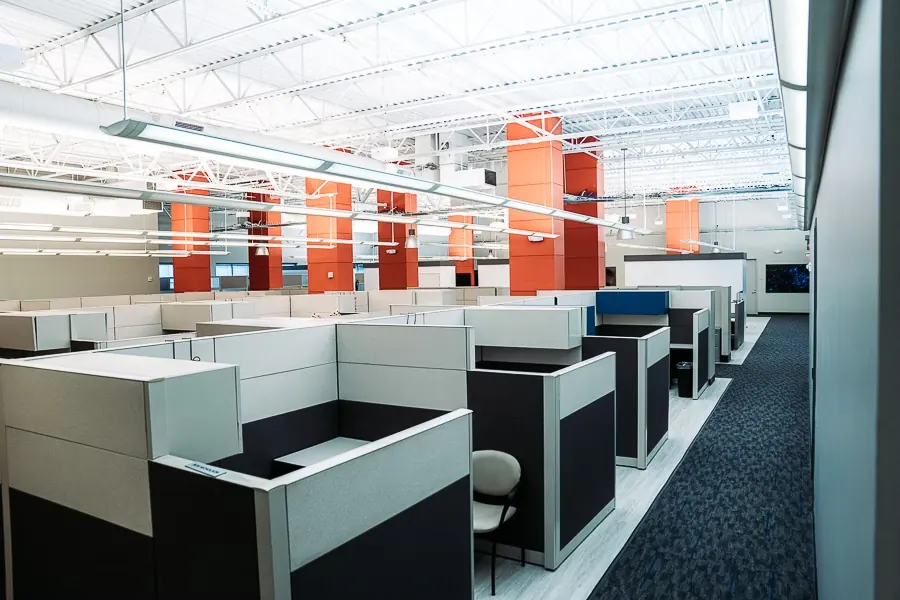
A well-designed workspace can significantly impact employee satisfaction and overall business performance. For startups, where every resource counts, creating an environment that encourages innovation and collaboration is essential. The right workspace design can help attract top talent, improve employee retention, and drive business growth.
Current Trends in Startup Workspace Design
1. Flexible Workspaces
One of the most significant trends in workspace design is the move towards flexibility. Startups often require adaptable spaces that can change according to the team’s needs. This can include:
- Open-plan areas for collaborative work
- Private offices for focused tasks
- Meeting rooms that can be reconfigured for different purposes
Flexible workspaces allow startups to save costs while providing an environment that fosters teamwork and innovation.
2. Biophilic Design
Bringing nature into the office is becoming increasingly popular. Biophilic design incorporates natural elements into the workspace to improve air quality and create a calming environment. Startups are implementing:
- Potted plants and green walls
- Natural light through large windows
- Water features for tranquility
This trend not only enhances aesthetics but also boosts employee well-being and productivity.
3. Technology Integration
Modern startups are leveraging technology to enhance workspace efficiency. This includes:
- Smart lighting systems that adjust based on occupancy and natural light
- High-speed internet and enterprise-grade technology infrastructure
- Collaborative tools that facilitate remote work and communication
By integrating technology into their workspace design, startups can streamline operations and promote a culture of innovation.
4. Collaborative Spaces
Creating areas specifically designed for collaboration is crucial for startups. These spaces encourage teamwork and brainstorming sessions. Features include:
- Comfortable seating arrangements
- Whiteboards and brainstorming tools
- Casual meeting areas
By prioritizing collaboration in their workspace design, startups can foster a culture of creativity and innovation.
5. Wellness-Focused Design
Health and wellness are becoming increasingly important in workspace design. Startups are focusing on creating environments that promote physical and mental well-being. Key elements include:
- Ergonomic furniture to reduce strain and discomfort
- Quiet rooms for relaxation and meditation
- On-site fitness facilities or partnerships with local gyms
A wellness-focused workspace can lead to happier, healthier employees and improved productivity.
6. Sustainability
As environmental concerns continue to rise, startups are adopting sustainable practices in their workspace design. This includes:
- Using recycled or upcycled materials for furniture and fixtures
- Implementing energy-efficient systems
- Encouraging recycling and waste reduction
Sustainable design not only benefits the environment but also enhances a startup’s brand image.
7. Personalization
Allowing employees to personalize their workspaces is a growing trend. Startups are encouraging team members to:
- Add personal touches to their desks
- Choose their preferred workspace layout
- Participate in the design process
Personalization can lead to increased job satisfaction and a stronger sense of belonging.
8. Zoning and Privacy
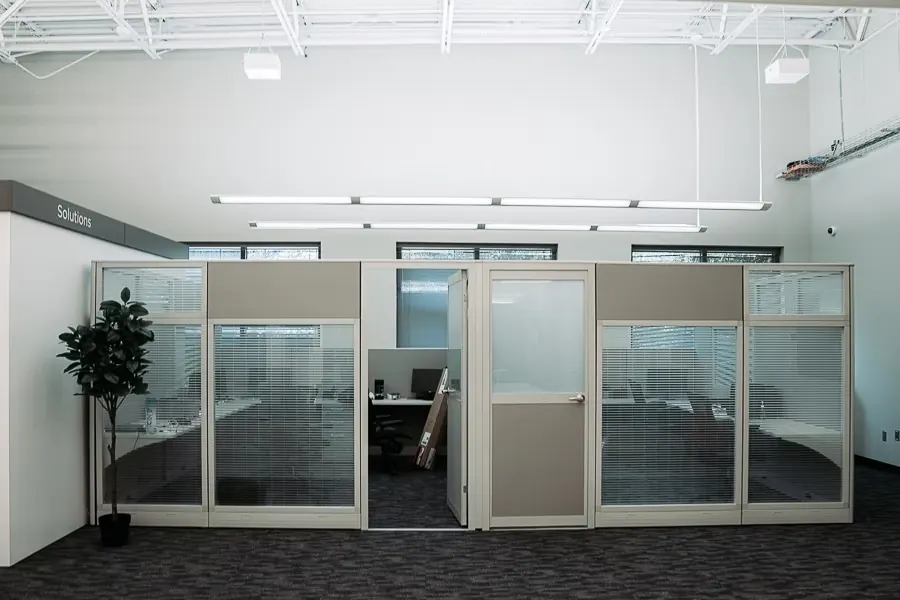
As open-plan offices continue to dominate, startups are recognizing the need for privacy. Zoning strategies include:
- Creating quiet zones for focused work
- Using partitions to define spaces
- Designating areas for collaborative activities
Balancing openness with privacy can enhance productivity and employee satisfaction.
Implementing Design Trends in Your Startup
As you consider these trends for your startup’s workspace, keep the following tips in mind:
- Assess your team’s needs: Understand what your employees value in a workspace.
- Start small: Implement changes gradually to gauge their impact.
- Seek feedback: Regularly ask your team for input on workspace design and functionality.
- Stay adaptable: Be willing to adjust your design as your startup grows and evolves.
Conclusion
In conclusion, startup workspace design is evolving to meet the changing needs of modern businesses. By embracing trends such as flexibility, biophilic design, and technology integration, startups can create environments that foster innovation, collaboration, and employee well-being. As you design your workspace, keep these trends in mind to ensure your startup thrives in the competitive landscape of 2023 and beyond.
Frequently Asked Questions (FAQ)
1. What is the importance of workspace design for startups?
Workspace design plays a crucial role in fostering productivity, creativity, and collaboration, which are essential for startup growth.
2. How can flexible workspaces benefit startups?
Flexible workspaces can adapt to changing team needs, allowing startups to save costs while promoting teamwork.
3. What is biophilic design?
Biophilic design incorporates natural elements into the workspace to improve employee well-being and productivity.
4. How does technology integration enhance startup workspaces?
Technology integration streamlines operations, promotes collaboration, and enhances overall workspace efficiency.
5. Why are collaborative spaces important for startups?
Collaborative spaces encourage teamwork and brainstorming, fostering a culture of creativity and innovation.
6. What are some wellness-focused design elements?
Wellness-focused design includes ergonomic furniture, quiet rooms, and on-site fitness facilities.
7. How can startups implement sustainability in their workspace?
Startups can use recycled materials, energy-efficient systems, and encourage recycling to promote sustainability.
8. What is the benefit of workspace personalization?
Personalization leads to increased job satisfaction and a stronger sense of belonging among employees.