
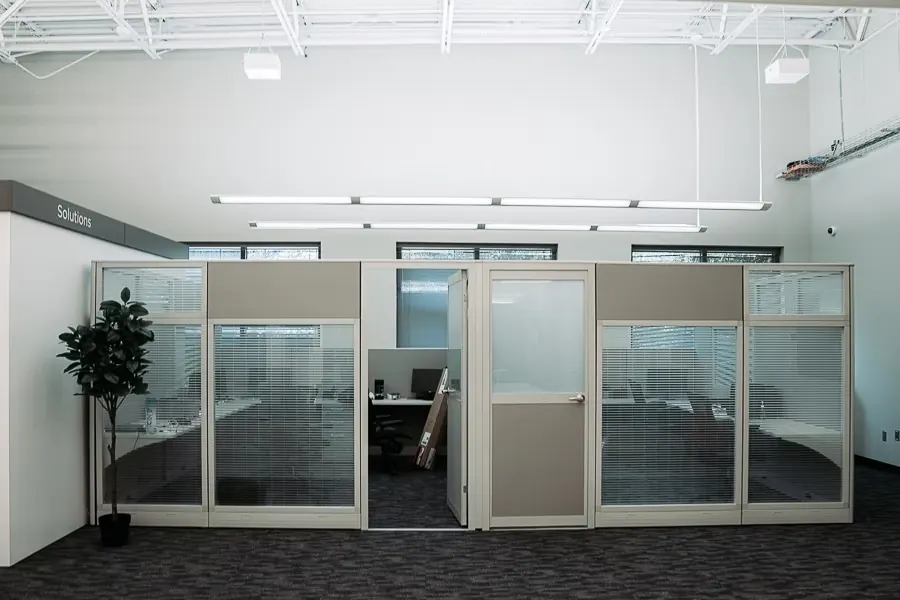
The Psychology of Workspace Design: Boosting Creativity Through Office Layout
In an era where innovation drives success, understanding the psychology of workspace design is essential for fostering creativity and productivity in the workplace. The layout of an office not only shapes the physical environment but also significantly impacts the mental state of employees. At World Park, we recognize that a thoughtfully designed workspace can catalyze creativity, collaboration, and overall well-being. This article delves into how your office layout affects creativity and provides practical insights for creating a stimulating workspace.
Understanding Workspace Design
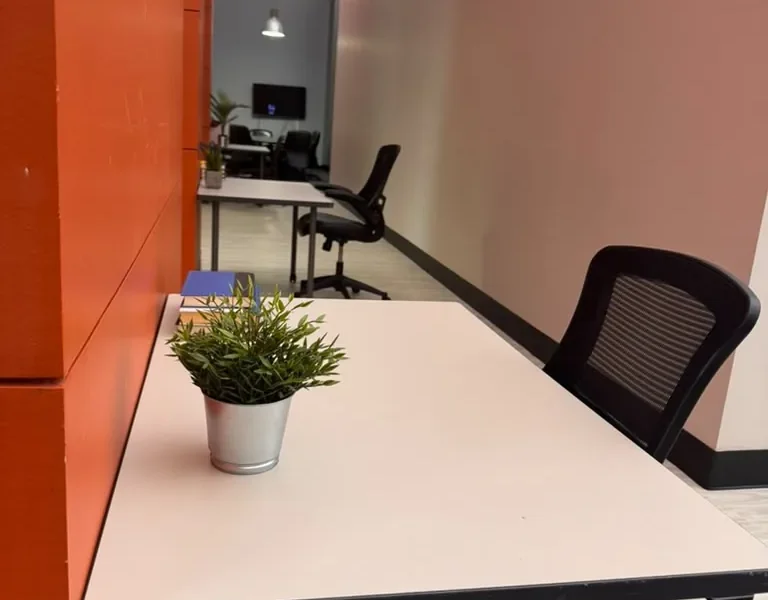
Workspace design encompasses the arrangement of furniture, the choice of colors, lighting, and the overall layout of an office. The psychology behind workspace design is rooted in environmental psychology, which studies how physical spaces influence human behavior and emotions. Research indicates that a well-designed workspace can enhance focus, creativity, and collaboration among employees.
For instance, an open office layout encourages interaction and communication, while private spaces provide the necessary solitude for deep work. Understanding these dynamics is crucial for businesses aiming to cultivate a creative and productive workforce.
The Impact of Layout on Creativity
The layout of an office can profoundly affect creativity. A study published in the Journal of Environmental Psychology found that open office layouts can enhance collaboration but may also lead to distractions. Conversely, private offices can provide the quiet necessary for creative thinking but may limit spontaneous interactions.
The Open Office Dilemma
Open office spaces have become increasingly popular in recent years, touted for their potential to foster collaboration and innovation. However, they also come with notable drawbacks:
- Noise Levels: Open spaces can be noisy, making it difficult for employees to concentrate.
- Privacy Concerns: Lack of privacy can inhibit employees from sharing ideas freely.
- Distraction: Increased foot traffic can lead to distractions, reducing productivity.
Private Offices vs. Collaborative Spaces
While private offices offer an environment conducive to focused work, collaborative spaces can spark creativity through interaction. The challenge lies in finding the right balance between the two. For example, World Park offers a mix of private offices and collaborative spaces designed to accommodate various work styles and enhance creativity.
Elements of Creative Workspaces
When designing a workspace that promotes creativity, several key elements should be considered:
1. Color Psychology
Colors can evoke specific emotions and influence creativity. For instance:
| Color | Emotion | Impact on Creativity |
|---|---|---|
| Blue | Calmness | Enhances focus and productivity |
| Yellow | Optimism | Stimulates creativity and innovation |
| Green | Balance | Encourages relaxation and reduces stress |
| Red | Energy | Increases enthusiasm and motivation |
2. Lighting
Lighting plays a crucial role in workspace design. Natural light can significantly boost mood and energy levels. Studies show that workplaces with ample natural light can enhance productivity by up to 15% (Harvard Business School). Incorporating adjustable lighting options allows employees to customize their work environment according to their preferences.
3. Furniture and Layout
Ergonomic furniture and flexible layouts can enhance comfort and productivity. Adjustable desks, comfortable seating, and collaborative furniture can create an inviting workspace that encourages creativity. World Park’s flexible office spaces are designed with these principles in mind, allowing startups and entrepreneurs to thrive.
4. Personalization
Allowing employees to personalize their workspace can foster a sense of ownership and belonging. Personal touches, such as photos, plants, and artwork, can create a more inviting atmosphere that encourages creativity.
Benefits of Flexible Office Spaces
Flexible office spaces, such as those offered at World Park, provide numerous benefits that can enhance creativity:
- Adaptability: Flexible workspaces can be easily reconfigured to suit various team sizes and projects.
- Collaboration: These spaces often include communal areas that encourage teamwork and idea sharing.
- Cost-Effectiveness: Startups can save on overhead costs while still accessing high-quality amenities.
Designing for Collaboration
Collaboration is essential for fostering creativity. Here are some design strategies to enhance collaboration within your workspace:
1. Create Open Collaboration Areas
Designate areas within the office specifically for collaboration. These spaces should be equipped with whiteboards, comfortable seating, and technology to facilitate brainstorming sessions.
2. Encourage Movement
Encouraging movement throughout the workspace can lead to spontaneous interactions. Incorporate pathways that lead to collaboration zones, and consider using shared resources to promote cross-departmental collaboration.
3. Use Technology to Connect
Incorporate technology that enables seamless communication and collaboration, such as video conferencing tools and digital project management platforms.
The Role of Nature in Workspaces
Integrating natural elements into the workspace can have a profound impact on creativity. Research shows that biophilic design—incorporating natural elements into built environments—can reduce stress and enhance well-being. Consider the following:
- Indoor Plants: Incorporating greenery can improve air quality and boost mood.
- Natural Light: Maximizing natural light can enhance energy levels and overall productivity.
- Nature Views: Providing views of nature can reduce stress and improve focus.
Data-Driven Insights on Workspace Design
Numerous studies have explored the link between workspace design and employee performance. For example, a study by the Gartner Group found that organizations focusing on employee experience saw a 25% increase in productivity. Additionally, research from the University of California indicates that well-designed workspaces can lead to a 15% increase in employee engagement.
Actionable Tips for Creating Creative Workspaces
Here are some actionable tips for fostering a creative workspace:
1. Assess Your Current Workspace
Evaluate your current office layout and identify areas for improvement. Consider employee feedback on what they need to enhance their creativity and productivity.
2. Incorporate Flexibility
Design your workspace to accommodate various work styles. Provide options for private offices, collaborative areas, and quiet zones.
3. Foster a Culture of Openness
Encourage open communication and feedback among employees. Create an environment where ideas can be freely shared and discussed.
4. Invest in Ergonomics
Provide ergonomic furniture and equipment to enhance comfort and reduce fatigue.
5. Encourage Breaks and Downtime
Promote a culture that values breaks and downtime. Incorporate relaxation areas where employees can recharge and refresh their minds.
FAQ
1. How does workspace design affect employee productivity?
Workspace design can significantly impact employee productivity by influencing comfort, collaboration, and creativity. A well-designed space can enhance focus and reduce distractions.
2. What are the benefits of an open office layout?
An open office layout can foster collaboration, enhance communication, and create a sense of community among employees.
3. Can private offices boost creativity?
Private offices can provide the quiet and solitude necessary for deep thinking and creativity, but they may limit spontaneous collaboration.
4. How can color choices impact creativity in the workplace?
Colors can evoke specific emotions and influence mood. For example, yellow is often associated with optimism and creativity, while blue promotes focus.
5. What role does nature play in workspace design?
Integrating natural elements can reduce stress, enhance well-being, and improve overall productivity in the workplace.
6. How important is lighting in a workspace?
Lighting is crucial in workspace design, as it can influence mood, energy levels, and productivity. Natural light is particularly beneficial.
7. What are some tips for designing a creative workspace?
Key tips include assessing your current workspace, incorporating flexibility, fostering a culture of openness, investing in ergonomics, and encouraging breaks.
8. How can flexible office spaces benefit startups?
Flexible office spaces offer adaptability, collaboration opportunities, and cost-effectiveness, making them ideal for startups.
9. How can technology enhance collaboration in the workplace?
Technology can facilitate seamless communication and collaboration through tools like video conferencing and digital project management platforms.
10. What are the best elements to include in a creative workspace?
Key elements include color psychology, ergonomic furniture, natural light, and spaces for collaboration and personalization.
11. How can companies assess the effectiveness of their workspace design?
Companies can gather employee feedback, analyze productivity metrics, and assess employee engagement levels to evaluate workspace effectiveness.
12. How does workspace design influence employee retention?
A well-designed workspace that promotes creativity and well-being can enhance employee satisfaction, leading to higher retention rates.
In conclusion, the psychology of workspace design plays a crucial role in shaping creativity and productivity in the workplace. By understanding the impact of layout, incorporating essential elements, and fostering a culture of collaboration, businesses can create environments that inspire innovation and engagement. At World Park, we are committed to providing modern coworking spaces and private offices that cater to the diverse needs of startups and entrepreneurs. Explore our offerings today and unlock the full potential of your workspace.