
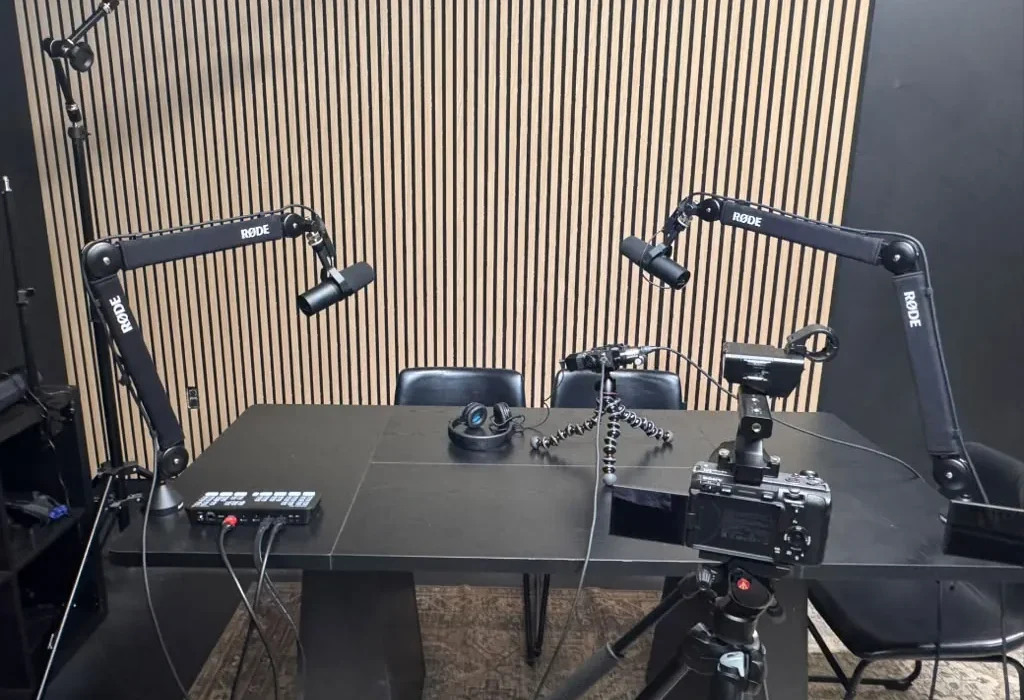
The Ultimate Guide to Planning and Executing a Podcast Season
Podcasting has become an essential medium for content creators, entrepreneurs, and businesses looking to connect with their audience. If you’re aiming to launch a podcast or elevate your existing one, understanding how to plan and execute a podcast season is crucial. In this comprehensive guide, we will cover everything from structuring your episodes to choosing themes and scheduling, ensuring you create a podcast that resonates with your audience and stands out in a crowded marketplace. By the end of this article, you will have a clear roadmap to develop your podcast season effectively, leveraging the professional podcast studios available at World Park in Alpharetta, GA.
Understanding the Basics of Podcasting
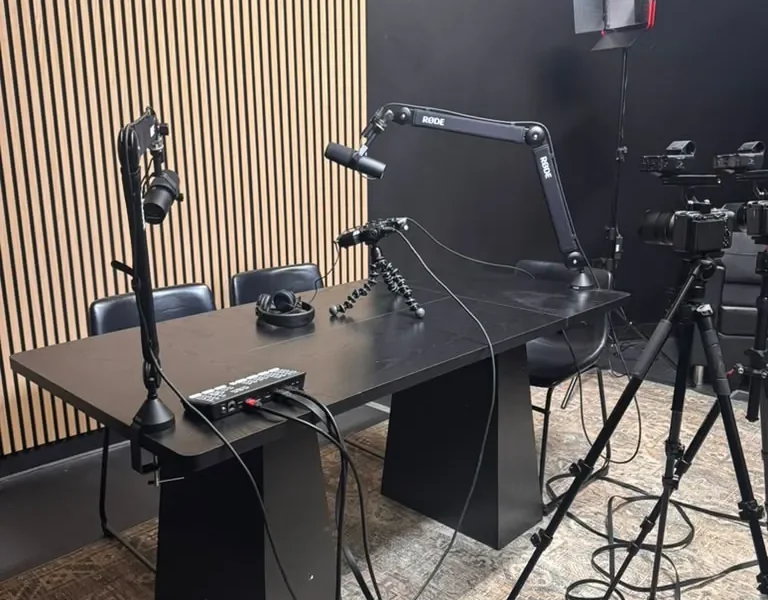
Before diving into the intricacies of planning a podcast season, it’s essential to grasp the fundamental aspects of podcasting. A podcast is essentially a series of spoken-word content focused on a specific topic, delivered in episodes. According to Statista, over 100 million Americans listen to podcasts each month, showcasing the medium’s growing popularity.
Podcasts can be categorized into various formats, including:
- Interview-based: Featuring guests sharing insights and experiences.
- Solo: Where the host discusses topics independently.
- Co-hosted: Involving multiple hosts engaging in discussions.
- Narrative: Storytelling formats that weave narratives over episodes.
Each format has its unique advantages and appeals to different audience segments. Understanding these formats will help you choose the best approach for your podcast.
Defining Your Podcast’s Structure
The structure of your podcast is critical to its overall success. A well-defined structure not only keeps your episodes organized but also enhances the listening experience. Here are key components to consider when planning your podcast structure:
1. Episode Length
Decide on the ideal length for your episodes. While some podcasts thrive on short 15-minute segments, others may extend to an hour or more. According to a report by Podcast Insights, the average podcast episode is approximately 43 minutes long. Your target audience should guide your decision.
2. Opening and Closing
Develop a consistent opening and closing format for each episode. This could include a catchy intro, a brief overview of the episode’s content, and a call to action at the end. Consistency creates familiarity and helps build a loyal audience.
3. Segments
Incorporate different segments within your episodes to maintain listener engagement. For example, you might include:
- Q&A sessions: Addressing listener questions.
- Guest interviews: Featuring experts in your niche.
- Tips and tricks: Providing actionable advice.
4. Transitions
Use smooth transitions between segments to keep the flow of your podcast intact. This could involve brief music interludes or verbal cues to signal a change in topic.
5. Visual Elements
Although podcasts are primarily an audio medium, consider how visual elements like cover art and promotional graphics can enhance your brand. Use professional designs that reflect the theme and tone of your podcast.
Choosing the Right Themes
Themes play a pivotal role in shaping your podcast season. A well-chosen theme not only captures audience interest but also provides a cohesive framework for your episodes. Here’s how to select themes that resonate:
1. Identify Your Niche
Understanding your niche is the first step in choosing relevant themes. Consider your expertise, interests, and the needs of your target audience. For example, if your podcast focuses on technology, themes could range from AI advancements to startup success stories.
2. Research Trends
Stay informed about current trends in your niche. Use tools like Google Trends to identify popular topics and gauge audience interest. For instance, if remote work is trending, you might explore themes around productivity, work-life balance, and technology for remote teams.
3. Create a Theme Calendar
Develop a calendar outlining potential themes for each episode in your season. This not only helps with organization but also ensures a variety of content. A sample theme calendar could look like this:
| Episode Number | Theme | Guest (if applicable) |
|---|---|---|
| 1 | Introduction to AI | Expert on AI |
| 2 | Remote Work Best Practices | HR Consultant |
| 3 | Startup Success Stories | Startup Founder |
| 4 | Marketing Trends in 2024 | Marketing Specialist |
Effective Scheduling for Your Podcast Season
Once you have defined your structure and chosen themes, it’s time to create a scheduling plan. A well-thought-out schedule ensures that you consistently deliver content, which is key to audience retention.
1. Frequency of Episodes
Determine how often you will release new episodes. Common frequencies include weekly, bi-weekly, or monthly. Your choice should align with your content creation capacity and your audience’s preferences. Consistency is crucial; a study by Edison Research found that regular posting significantly boosts audience loyalty.
2. Recording and Editing Timeline
Establish a timeline for recording and editing episodes. This includes setting deadlines for guest bookings, recording sessions, and post-production. For example:
- Week 1: Plan and outline episodes.
- Week 2: Record episodes.
- Week 3: Edit and finalize episodes.
- Week 4: Release episodes and promote.
3. Utilize Scheduling Tools
Leverage scheduling tools to streamline your process. Tools like Calendly can help you coordinate guest interviews, while project management tools like Trello or Asana can keep your production timeline organized.
Promoting Your Podcast Episodes
Promotion is key to growing your podcast audience. Here are effective strategies to promote your episodes:
1. Leverage Social Media
Use platforms like Instagram, Twitter, and LinkedIn to share episode teasers, quotes, and behind-the-scenes content. Engaging visuals and snippets can attract potential listeners.
2. Collaborate with Guests
Encourage guests to promote their episodes to their audiences. This cross-promotion can significantly expand your reach. Provide them with ready-to-share graphics and soundbites to simplify the process.
3. Create a Website
Having a dedicated website for your podcast allows you to host show notes, episode transcripts, and additional resources. Additionally, it creates a central hub for your audience to learn more about you and your content. At World Park, we can assist you with creating a professional website to complement your podcast.
4. Utilize Email Marketing
Build an email list to notify subscribers about new episodes, exclusive content, and upcoming events. Email marketing remains one of the most effective ways to engage with your audience directly.
Measuring Success and Gathering Feedback
After launching your podcast season, it’s essential to measure its success and gather feedback for future improvements.
1. Track Metrics
Monitor key metrics such as downloads, listener retention, and audience demographics. Tools like Libsyn or Podbean can provide detailed analytics to help you understand your audience better.
2. Gather Listener Feedback
Encourage listeners to provide feedback through surveys or social media. This information is invaluable for refining your content and improving future episodes.
3. Adjust and Evolve
Based on the data and feedback, be willing to adjust your themes, structure, or promotional strategies. Podcasting is an evolving medium, and staying adaptable is key to long-term success.
Conclusion
Planning and executing a podcast season involves careful consideration of structure, themes, and scheduling. By understanding your audience, defining a clear structure, and promoting effectively, you can create a podcast that not only captures attention but also builds a loyal following. If you’re ready to take your podcast to the next level, consider utilizing the professional podcast studios at World Park in Alpharetta, GA, where you can access state-of-the-art technology and a supportive community of creators.
FAQ
1. How long should each podcast episode be?
The ideal length varies but typically ranges from 20 to 60 minutes, depending on your audience and content type.
2. How often should I release podcast episodes?
Consistency is key. Many podcasts release episodes weekly or bi-weekly to maintain audience engagement.
3. What equipment do I need to start a podcast?
Basic equipment includes a quality microphone, headphones, and audio editing software. Consider using professional studios for a polished sound.
4. How can I promote my podcast effectively?
Utilize social media, collaborate with guests, and build an email list to engage with your audience and promote new episodes.
5. What are the best platforms to host my podcast?
Popular podcast hosting platforms include Libsyn, Podbean, and Anchor, each offering different features and analytics.
6. How can I measure the success of my podcast?
Track metrics such as downloads, listener retention rates, and audience demographics through your hosting platform’s analytics tools.
7. Should I have a website for my podcast?
Yes, having a dedicated website allows you to host show notes, episode transcripts, and additional resources, enhancing audience engagement.
8. How can I gather feedback from my listeners?
Encourage feedback through social media, surveys, or direct interactions. This information is crucial for improving your podcast.
- Podcast Room Acoustics: Why Your Recording Environment Matters More Than Your Mic
- The Ultimate Guide to Building a Loyal Podcast Community: Discord, Patreon & More
- Maximizing ROI: The Power of Podcasting for Small Businesses
- The Ultimate Guide to Creating Audiograms and Social Media Clips from Podcast Episodes