
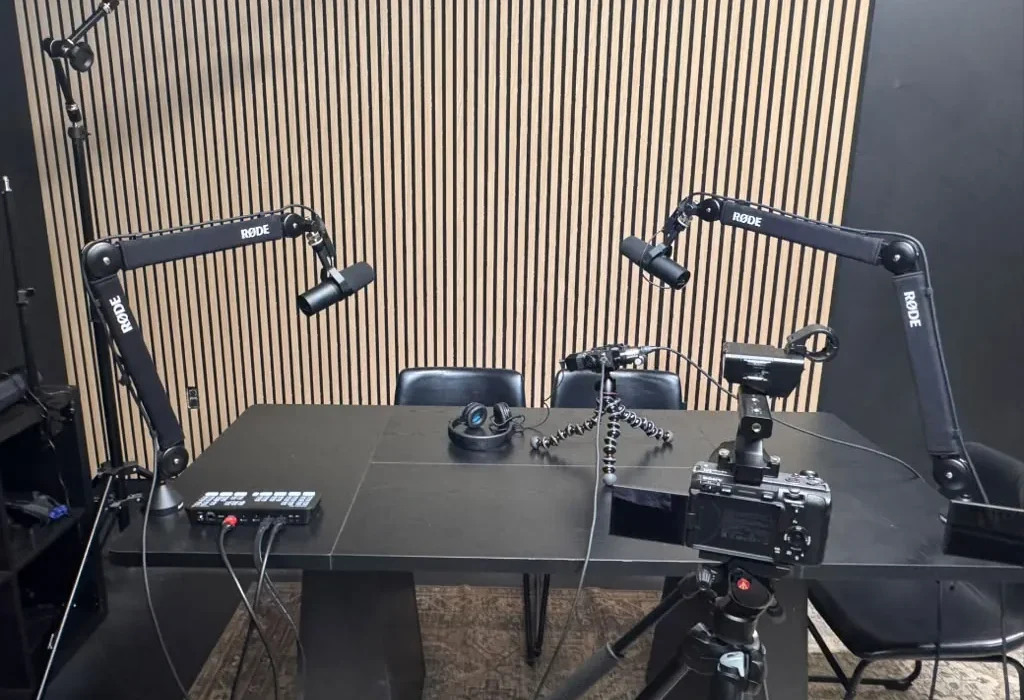
Podcast Room Acoustics: Why Your Recording Environment Matters More Than Your Mic
When it comes to producing high-quality podcasts, many creators focus heavily on the type of microphone they use, often overlooking a crucial element that can significantly impact sound quality: the acoustics of the recording environment. Understanding podcast room acoustics can transform your audio production, leading to clearer, more professional sound. In this article, we will delve into why your recording environment matters more than your mic, how to optimize your space for the best acoustics, and actionable tips to enhance your podcasting experience.
Understanding Podcast Room Acoustics
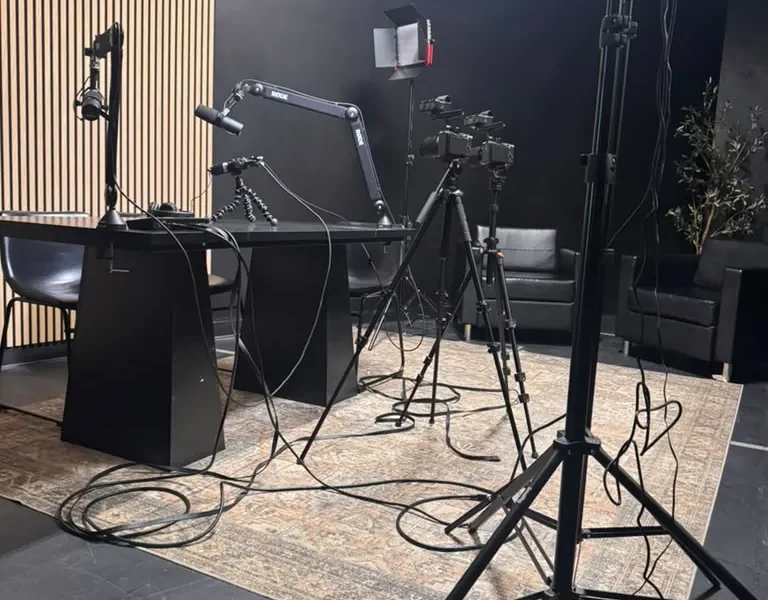
Podcast room acoustics refers to how sound behaves in a given space. This includes how sound waves reflect, absorb, and diffuse within your recording area. The goal of optimizing acoustics is to create a controlled environment where sound can be captured clearly and accurately. Factors such as room size, shape, furnishings, and wall materials play a significant role in determining the overall sound quality. A well-optimized space minimizes unwanted echoes and background noise, allowing your microphone to capture the intended audio without interference.
Why Environment Trumps Equipment
While having a high-quality microphone is essential for podcasting, the truth is that even the best microphone can only perform as well as the environment it is placed in. Here are a few reasons why your recording environment is paramount:
- Sound Reflection: Hard surfaces like walls, floors, and ceilings can reflect sound waves, causing echoes and reverberation that muddy your audio. This can be particularly problematic in untreated spaces.
- Background Noise: External noises from traffic, HVAC systems, or even the hum of electronic devices can disrupt your recordings. A controlled environment helps to minimize these distractions.
- Frequency Response: Different materials absorb sound at different frequencies. A room with poor acoustics can amplify certain frequencies while dampening others, leading to an unbalanced sound.
In essence, if you’re serious about producing high-quality podcasts, investing in your recording environment is as crucial as choosing the right microphone. This is where locations like World Park’s professional podcast studios can significantly enhance your audio quality.
Key Factors in Podcast Room Acoustics
To understand how to create an optimal recording environment, it’s essential to know the key factors that influence podcast room acoustics:
1. Room Size and Shape
The dimensions of your recording space can affect how sound waves travel and interact. Smaller rooms may produce more reflections, leading to a ‘boomy’ sound, while larger rooms can create a more spacious sound but may require additional treatment to prevent echoes.
2. Wall Materials
Hard surfaces such as concrete, glass, and drywall reflect sound waves, while softer materials like curtains, carpets, and acoustic panels absorb sound. Choosing the right materials for your walls can significantly improve sound quality. Consider using acoustic treatment solutions for the best results.
3. Furniture and Decor
Furnishings can play a vital role in sound absorption. Soft furnishings (e.g., sofas, rugs, and cushions) can help dampen sound reflections, while hard furniture can exacerbate them. Consider the layout and materials of your furniture when designing your podcasting space.
4. Ceiling Height
A low ceiling can create a ‘boxy’ sound, while a higher ceiling can provide a more open sound. If your space has a low ceiling, consider adding sound-absorbing materials to help mitigate reflections.
How to Improve Your Recording Environment
Now that you understand the key factors affecting podcast room acoustics, here are actionable steps to improve your recording environment:
1. Acoustic Treatment
Invest in acoustic panels, bass traps, and diffusers to manage sound reflections. Acoustic panels absorb sound waves, while diffusers scatter them, helping to create a balanced sound. You can purchase pre-made solutions or create DIY options using materials like foam or fiberglass.
2. Soundproofing
To reduce external noise, consider soundproofing your room. This can involve sealing gaps in doors and windows, adding insulation, or using soundproof curtains. The goal is to prevent outside noise from intruding on your recording.
3. Optimize Your Layout
Position your microphone away from walls and corners to minimize reflections. The ideal distance is about 3-4 feet from the nearest wall. Experiment with different placements to find the sweet spot for your recording.
4. Use Quality Microphones
While your environment is critical, don’t overlook the importance of a good microphone. Choose a mic that suits your recording style and needs. Whether you’re using a dynamic or condenser microphone, ensure it’s appropriate for your voice and recording environment.
5. Test Your Setup
Before recording, conduct test recordings to evaluate the sound quality. Listen for echoes, background noise, and frequency imbalances. Make adjustments as necessary based on your findings.
Common Mistakes to Avoid
When optimizing your podcast room acoustics, be mindful of these common pitfalls:
- Ignoring Room Shape: Many creators overlook how room shape affects sound. Avoid long, narrow spaces that can lead to unwanted echoes.
- Overcrowding with Furniture: Having too much furniture can create unnecessary reflections. Balance your space with open areas and strategic placement of sound-absorbing materials.
- Neglecting Background Noise: Always consider external noise sources. If you’re in a busy area, soundproofing becomes even more critical.
Professional Solutions for Optimal Acoustics
If you’re serious about podcasting, consider utilizing professional services for acoustic treatments. World Park offers access to expertly designed podcast studios equipped with state-of-the-art technology and optimized acoustics, providing you with an environment that enhances your sound quality. Here are some professional solutions to consider:
1. Acoustic Consultation
Hire an acoustic consultant to assess your space and recommend tailored solutions. They can provide insights into the best materials and layouts for your specific needs.
2. Professional Studio Rental
Consider renting a professional podcast studio like those at World Park for your recordings. These spaces are designed with acoustics in mind, allowing you to focus on content creation without worrying about sound quality.
3. Soundproofing Services
For those serious about sound quality, professional soundproofing services can significantly enhance your recording capabilities, ensuring a quiet, controlled environment.
Conclusion: Invest in Your Space
In the world of podcasting, the quality of your recordings can make or break your success. While having the right microphone is important, the environment in which you record plays an even more critical role. By understanding podcast room acoustics and taking steps to optimize your recording space, you can elevate your audio quality and create engaging content that resonates with your audience. Don’t underestimate the power of a well-designed recording environment—investing in your space is investing in your podcast’s future.
FAQ
1. What is podcast room acoustics?
Podcast room acoustics refers to how sound behaves in a given recording environment, affecting the clarity and quality of audio captured during recording.
2. Why is the recording environment important?
The recording environment can significantly influence sound quality. A well-treated space minimizes echoes and background noise, leading to clearer audio.
3. What are common mistakes in podcast room acoustics?
Common mistakes include neglecting room shape, overcrowding with furniture, and ignoring background noise sources.
4. How can I improve my podcast room acoustics?
You can improve acoustics by adding acoustic panels, soundproofing, optimizing your layout, and using quality microphones.
5. Do I need a professional studio for podcasting?
While not necessary, a professional studio can provide an optimized environment that enhances sound quality, allowing you to focus on content creation.
6. What materials are best for sound absorption?
Soft materials like carpets, curtains, and specialized acoustic panels work best for sound absorption.
7. How far should I place my microphone from walls?
It’s ideal to position your microphone about 3-4 feet away from walls to minimize reflections.
8. Can I DIY my podcast room acoustics?
Yes, many solutions can be DIY, such as using foam panels, rugs, and heavy curtains to treat your space.
