

The Complete Guide to Cloud Monitoring and Observability Tools in 2026
As businesses increasingly shift towards cloud infrastructures, the need for robust cloud monitoring and observability tools has never been more critical. In 2026, these tools not only ensure that systems run smoothly but also provide deep insights into application performance, resource utilization, and user experience. This comprehensive guide will delve into the various cloud monitoring and observability tools available, their benefits, and how they can integrate into your startup or enterprise. By the end of this article, you’ll have a clear understanding of how to leverage these tools effectively to optimize your cloud environments.
What is Cloud Monitoring?
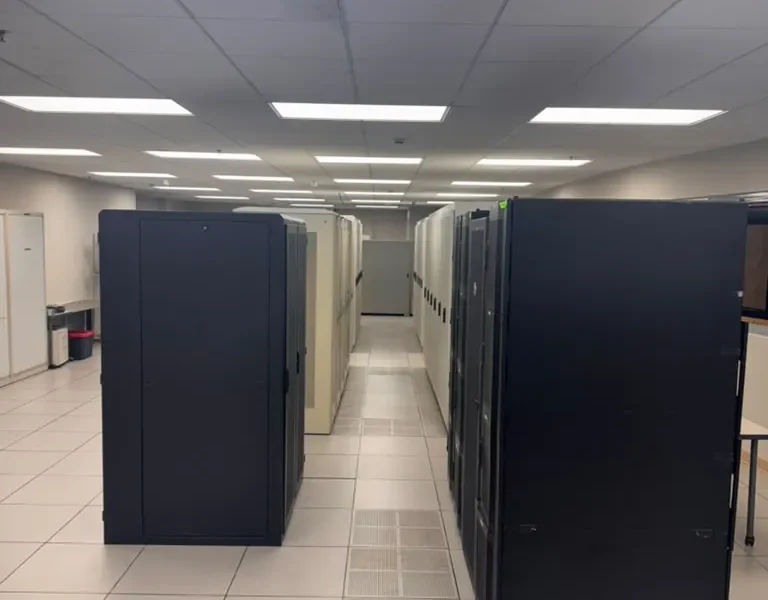
Cloud monitoring refers to the processes and tools used to oversee the performance, availability, and health of cloud-based resources and applications. It encompasses a range of activities, from tracking server uptime to analyzing application performance metrics. In 2026, cloud monitoring tools have evolved to provide real-time insights and predictive analytics, enabling businesses to proactively address issues before they escalate.
The Importance of Observability in 2026
Observability goes beyond traditional monitoring by providing context and insight into the internal states of systems. It allows teams to understand why something happened, not just what happened. This is particularly important in a cloud environment where microservices and distributed architectures can complicate troubleshooting efforts. According to a report from the Gartner Group, organizations that adopt observability practices can reduce downtime by up to 50%, significantly impacting operational efficiency and customer satisfaction.
Key Features of Cloud Monitoring Tools
When selecting a cloud monitoring tool, consider the following key features:
- Real-Time Monitoring: The ability to track metrics and logs in real time provides immediate insights into system performance.
- Automated Alerts: Automated notifications for performance thresholds help teams respond quickly to issues.
- Integration Capabilities: Support for integration with other tools and platforms enhances functionality and data sharing.
- Analytics and Reporting: In-depth analytics and customizable reporting capabilities are essential for understanding trends and making informed decisions.
- Dashboards: Intuitive dashboards that visualize data help teams quickly assess the health of their cloud environments.
Top Cloud Monitoring and Observability Tools in 2026
As of 2026, several cloud monitoring and observability tools stand out in the market:
| Tool | Key Features | Best For |
|---|---|---|
| Datadog | Real-time monitoring, APM, log management | Large enterprises with complex architectures |
| New Relic | Full-stack observability, performance metrics | Development teams focused on application performance |
| Prometheus | Open-source, metrics collection and alerting | Organizations seeking customizable solutions |
| Splunk | Log management, security monitoring | Security-focused teams needing real-time insights |
| CloudHealth by VMware | Cost optimization, resource management | Companies aiming to manage multi-cloud environments |
Each of these tools offers distinct advantages, and selecting the right one depends on your organization’s specific needs, size, and complexity.
How to Choose the Right Cloud Monitoring Tool
Choosing the right cloud monitoring tool involves several considerations:
- Assess Your Needs: Determine what metrics are most important for your business. Do you need detailed application performance monitoring or broader infrastructure insights?
- Evaluate Integration: Ensure the tool integrates well with your existing technology stack, including cloud providers, CI/CD tools, and other monitoring solutions.
- Consider Scalability: As your business grows, your monitoring needs will evolve. Choose a tool that can scale with your business.
- Check for Support and Community: A strong support system and active community can be invaluable for troubleshooting and best practices.
- Trial and Feedback: Take advantage of free trials to test the tool and gather feedback from your team.
Best Practices for Cloud Monitoring
Implementing best practices in cloud monitoring can significantly enhance your operational efficiency:
- Define Clear Metrics: Establish key performance indicators (KPIs) that align with your business goals.
- Automate Alerting: Set up automated alerts for critical metrics to minimize response times during incidents.
- Regularly Review and Adjust: Continuously evaluate your monitoring strategy and adjust based on changing business needs.
- Engage in Training: Ensure your team is trained on the tools and understands how to interpret the data effectively.
The Future of Cloud Monitoring and Observability
The future of cloud monitoring and observability is poised for exciting advancements. With the rise of artificial intelligence and machine learning, predictive analytics will become a standard feature in monitoring tools, allowing organizations to anticipate issues before they occur. Furthermore, as hybrid and multi-cloud environments become more prevalent, tools that provide unified visibility across different platforms will be essential.
Frequently Asked Questions
What is the difference between monitoring and observability?
Monitoring focuses on tracking the performance and health of systems, while observability provides insights into the internal states of those systems, helping teams understand why issues occur.
Why is cloud monitoring important?
Cloud monitoring is crucial for ensuring application performance, availability, and security in cloud environments, ultimately leading to improved user experiences and operational efficiency.
What are the key features to look for in a cloud monitoring tool?
Key features include real-time monitoring, automated alerts, integration capabilities, analytics and reporting, and intuitive dashboards.
How do I choose the best cloud monitoring tool for my business?
Assess your specific needs, evaluate integration with existing tools, consider scalability, check for support, and utilize free trials to test the tools.
What are some common cloud monitoring tools?
Popular tools include Datadog, New Relic, Prometheus, Splunk, and CloudHealth by VMware.
How can I improve my cloud monitoring strategy?
Define clear metrics, automate alerting, regularly review and adjust your strategy, and engage in training for your team.
What is the future of cloud monitoring?
The future will likely see advancements in AI and machine learning, leading to predictive analytics and unified visibility across hybrid and multi-cloud environments.
Are there open-source cloud monitoring tools available?
Yes, tools like Prometheus and Grafana are popular open-source options that provide flexibility and customization.
