

The Ultimate Guide to Filming a Day-in-the-Life Brand Documentary
In today’s dynamic business landscape, storytelling has emerged as a vital tool for brands looking to connect with their audience on a deeper level. One of the most compelling forms of storytelling is the day-in-the-life brand documentary, which provides an authentic glimpse into the inner workings of a company, its culture, and its people. This comprehensive guide will walk you through the essential steps to film a day-in-the-life brand documentary that truly tells your company story, showcasing your values and mission while resonating with your target audience.
Understanding the Importance of Brand Documentaries
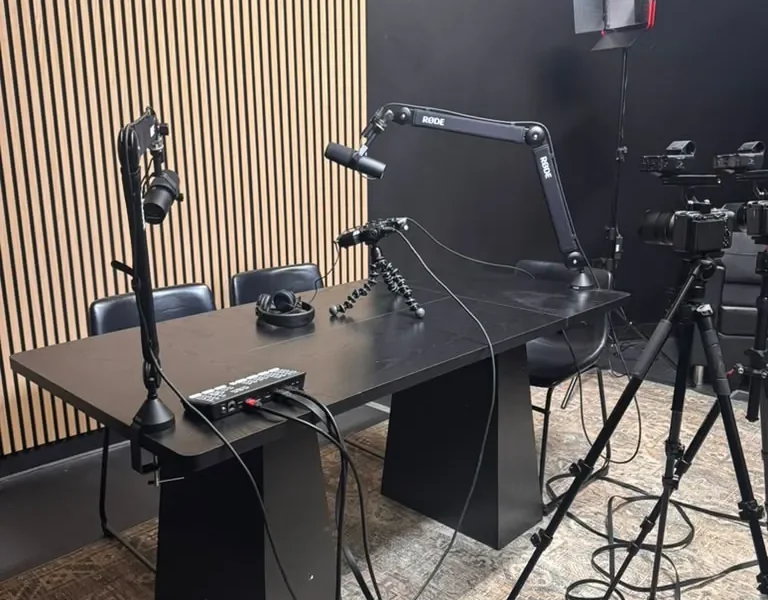
Brand documentaries serve as a powerful medium to communicate your company’s story, mission, and values. Unlike traditional advertisements, which often focus on selling a product or service, a brand documentary provides an authentic look at the people behind the brand, their day-to-day activities, and the impact they have on their community and customers. This format fosters emotional connections with viewers and enhances brand loyalty.
According to a study by Forbes, companies that effectively tell their brand stories can see an increase in customer engagement and sales. By showcasing the human side of your business through a day-in-the-life documentary, you can create a narrative that resonates with your audience, ultimately leading to stronger relationships and increased brand advocacy.
Planning Your Documentary: Key Considerations
Before diving into filming, it’s crucial to lay a solid foundation for your documentary. Here are some key considerations to keep in mind:
- Define Your Purpose: Determine the primary goal of your documentary. Are you looking to attract new customers, highlight your company culture, or showcase a new product? Clear objectives will guide your storytelling.
- Identify Your Audience: Understanding your target audience is essential. Tailor your content to resonate with their interests and preferences.
- Choose the Right Format: Decide whether your documentary will be a short film, a series of vlogs, or a mix of both. Each format has its strengths and can be used to convey different aspects of your brand story.
Pre-Production: Laying the Groundwork
With your planning phase complete, it’s time to move into pre-production. This stage is vital for ensuring a smooth filming process. Here’s how to prepare:
- Script Development: While documentaries are often unscripted, having a loose script or outline can help maintain focus. Identify key moments, interviews, and locations to film.
- Storyboard Your Shots: Create a visual representation of your documentary. A storyboard helps you visualize the flow of your film and ensures that you capture all necessary footage.
- Assemble Your Crew: Depending on your budget, you may need to hire a professional film crew or enlist the help of in-house team members. Ensure that everyone understands their roles and responsibilities.
Filming Techniques for Authentic Storytelling
Capturing authentic moments is the heart of a successful day-in-the-life documentary. Here are some filming techniques to consider:
- Use Natural Light: Whenever possible, use natural lighting to create a warm and inviting atmosphere. This helps to enhance the authenticity of your footage.
- Capture B-Roll Footage: B-roll is supplementary footage that provides context to your main shots. This could include scenes of employees interacting, products being used, or the workspace environment. B-roll enriches your narrative and keeps viewers engaged.
- Conduct Interviews: Include candid interviews with team members, customers, or stakeholders. These interviews provide personal insights that humanize your brand and offer different perspectives.
Post-Production: Crafting Your Narrative
Once filming is complete, the next step is editing your footage into a cohesive narrative. Here are some steps to guide you through the post-production process:
- Edit for Flow: Organize your footage according to your storyboard. Pay attention to pacing, ensuring that the documentary flows smoothly from one segment to the next.
- Add Music and Sound Effects: A well-chosen soundtrack can enhance the emotional impact of your documentary. Consider using licensed music or royalty-free tracks.
- Include Graphics and Text: Incorporate graphics, such as your company logo, key statistics, or quotes from interviews. This helps to reinforce your message and brand identity.
Distribution Strategies for Maximum Reach
With your documentary complete, it’s time to share your story with the world. Here are some effective distribution strategies:
- Leverage Social Media: Share your documentary across all relevant social media platforms. Tailor your posts to each platform’s audience and use engaging visuals to capture attention.
- Utilize Email Marketing: Send out an email blast to your subscribers with a link to the documentary. Consider including a brief description of what viewers can expect.
- Host a Premiere Event: Organize a virtual or in-person premiere event to launch your documentary. Engage your audience with Q&A sessions, behind-the-scenes footage, and discussions about the making of the film.
Expert Tips for a Successful Brand Documentary
Additionally, here are some expert tips to elevate your documentary:
- Focus on Authenticity: Viewers are drawn to real stories. Avoid overly polished content and instead embrace the genuine aspects of your brand.
- Highlight Your Team: Showcase the individuals who make your company unique. Their stories and experiences can create a strong emotional connection with your audience.
- Seek Feedback: Before finalizing your documentary, gather feedback from a small group of trusted individuals. Their insights can help you refine your narrative and make necessary adjustments.
Conclusion: Telling Your Story with Impact
Filming a day-in-the-life brand documentary is an effective way to share your company story with authenticity and depth. By following the steps outlined in this guide, you can create a compelling narrative that resonates with your audience and reinforces your brand values. Remember, storytelling is not just about what you say; it’s about how you say it. Embrace the power of visual storytelling to connect with your audience on a deeper level.
FAQs
1. What is a day-in-the-life brand documentary?
A day-in-the-life brand documentary is a video that showcases the daily operations, culture, and people of a company, providing an authentic look at what makes the brand unique.
2. How long should a brand documentary be?
The ideal length for a brand documentary typically ranges from 3 to 10 minutes, depending on the content and the platform where it will be shared.
3. What equipment do I need to film a documentary?
Essential equipment includes a camera, tripod, microphone, and lighting setup. Depending on your budget, you may also consider hiring a professional crew.
4. How do I distribute my brand documentary?
You can distribute your documentary via social media, email marketing, your company website, and during events or webinars.
5. How can I make my documentary engaging?
To engage viewers, focus on authentic storytelling, include interviews with team members, and utilize compelling visuals and music.
6. What are some common mistakes to avoid when filming a documentary?
Common mistakes include poor planning, lack of a clear narrative, and inadequate audio quality. Ensure you have a solid script and quality equipment.
7. Can I use stock footage in my documentary?
Yes, stock footage can be used, but it should complement your original content and not distract from your brand’s authenticity.
8. How do I measure the success of my brand documentary?
Success can be measured through engagement metrics, such as views, shares, comments, and feedback from your audience.